
As the sun rises over Lake Nokoué, life slowly begins in Ganvié, one of the most unique places to visit Benin. Wooden houses stand on stilts above the water, dotted with satellite dishes. Canoes move gently across the lake, fishermen throw their nets, and women in raffia hats carry baskets of freshly caught fish. There are no roads, no cars, and no traffic—only water, wooden homes, and a peaceful way of life shaped by centuries of tradition.
Ganvié was founded in 1717 by people escaping slave traders who were afraid to cross water. The village name means “we are saved,” a strong symbol of survival and hope. Today, around 45,000 people live here, making Ganvié the largest floating village in West Africa and one of the most unforgettable reasons to visit Benin.
Ganvié: The Floating Village of Benin
Visiting Ganvié by boat feels calm and relaxing. Floating markets sell handmade crafts, fresh fruit, and smoked fish. Children paddle to school in small wooden canoes, while lakeside cafés serve simple local food. Life moves slowly here, giving visitors time to enjoy everyday moments on the water.
Even with its importance, Ganvié is still unknown to many international travelers. That’s what makes Benin tourism special. If you want to visit Benin without crowds and experience real culture, Ganvié offers something truly rare—authentic travel rooted in community and tradition.
Why Visit Benin: West Africa’s Best-Kept Secret
When people think of West Africa travel, countries like Senegal or Ghana usually come to mind first. But those who visit Benin soon discover a country full of history, culture, and meaning. Benin played a major role in the transatlantic slave trade, was later ruled by France, and gained independence in 1960.
Benin does not hide its past. Instead, it respects and remembers it while moving forward with confidence. This balance makes Benin perfect for travelers who want more than just sightseeing—they want stories, emotions, and connection.
Cotonou: Modern Life Meets Tradition in Benin
Cotonou, the largest city in Benin, shows how the country is growing while staying true to its roots. Busy markets, colorful streets, and views of the Atlantic Ocean sit alongside modern hotels and new development.
One of the biggest signs of change is the Sofitel Cotonou Marina Hotel & Spa. This luxury waterfront hotel shows that Benin is ready to welcome international travelers. For those planning to visit Benin, Cotonou offers both comfort and local character.
Ouidah and the Door of No Return
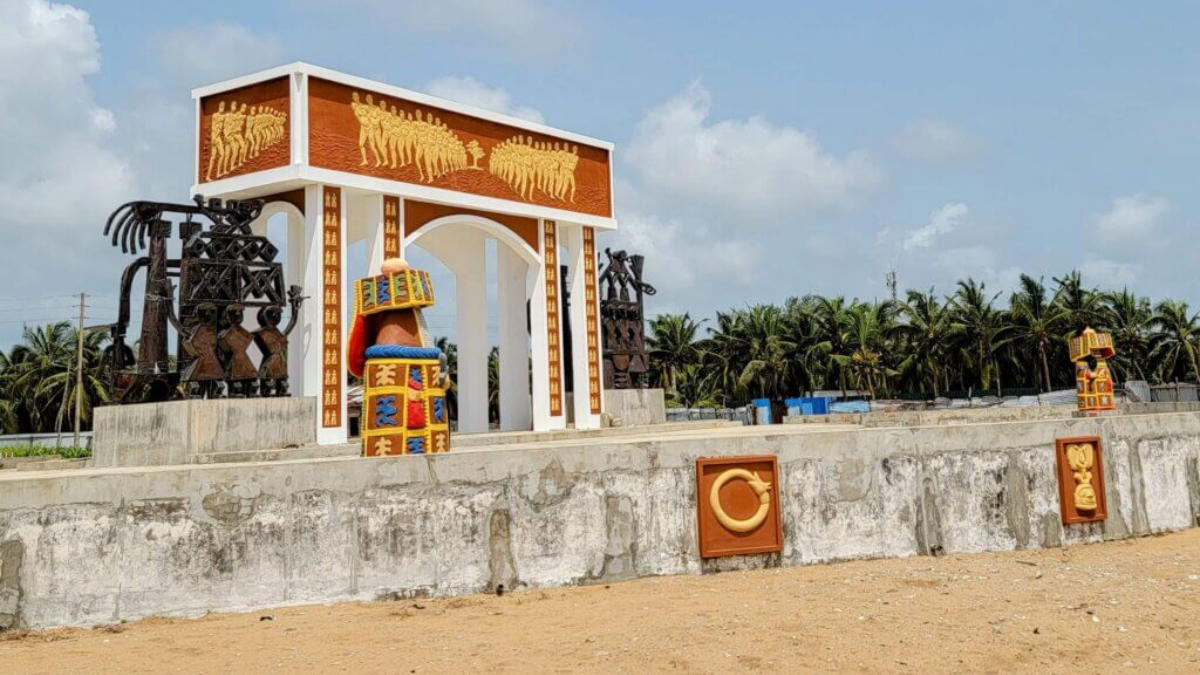
No trip to visit Benin is complete without going to Ouidah, one of the most emotional places in the country. Once a major slave-trading port, Ouidah is home to the powerful Door of No Return.
Walking this path helps visitors understand the pain of the past and the global impact of slavery. It is a place to learn, reflect, and remember. Ouidah is not just a historical site—it is a place of healing.
Nearby, on Salt Island, women still collect salt by hand using traditional methods passed down through generations. These living traditions are another reason people choose to visit Benin for cultural travel.
Benin: Birthplace of Voodoo
Benin is known as the birthplace of voodoo, a spiritual belief often misunderstood outside Africa. In Benin, voodoo is not about fear. It is about respecting ancestors, living in harmony with nature, and keeping balance in the community.
Voodoo temples and festivals, especially in Ouidah, give travelers a deeper understanding of Benin’s spiritual life. For cultural travelers planning to visit Benin, this adds meaning and depth to the journey.
Why Visit Benin in 2026
Benin does not try to impress loudly—and that is what makes it special. It offers something rare in today’s travel world: authentic experiences. From the floating village of Ganvié to the historic streets of Ouidah and the growing city of Cotonou, Benin leaves visitors with memories that last.
For travelers looking for undiscovered African destinations, rich traditions, and real cultural experiences, 2026 is the perfect time to visit Benin. This is a country that invites you not just to see it—but to understand it, slow down, and feel its history, strength, and hope in every wave of Lake Nokoué.