
Introduction
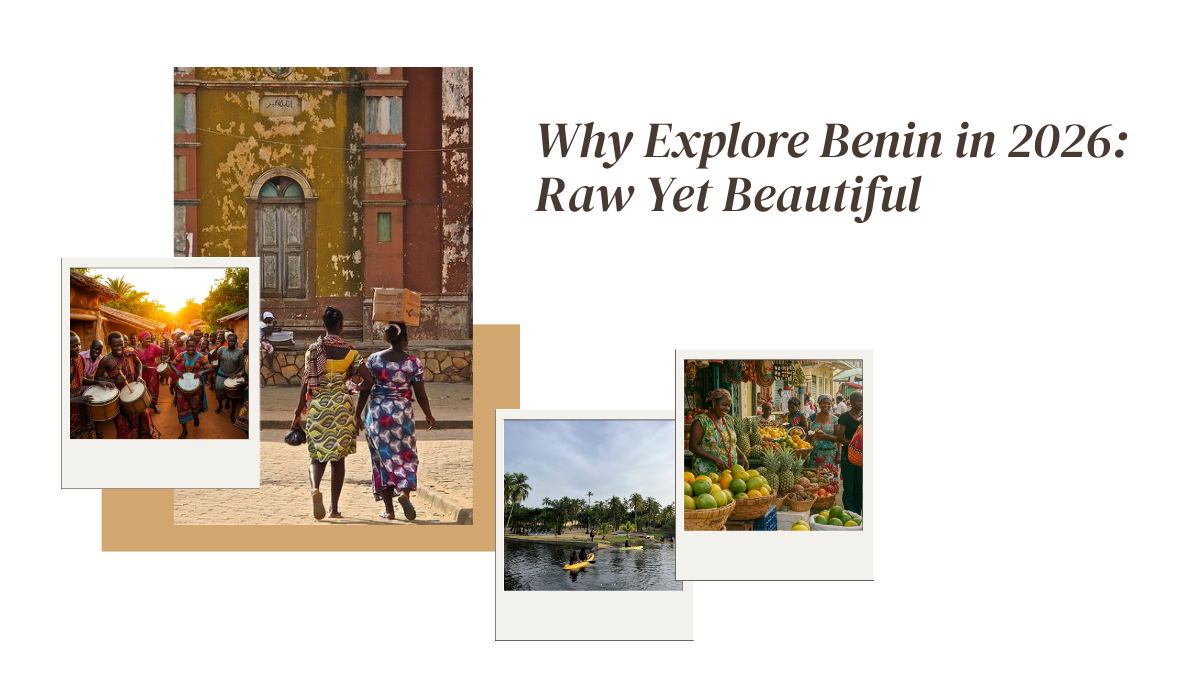
Explore Benin to discover a country that speaks softly yet leaves a deep mark on your heart. Before I set foot there, that very question kept crossing my mind: why Benin? It is not the first place that comes to people’s minds when they think of Africa. It doesn’t resort to grabbing attention with luxury resorts or visitor-thronged spots. What Benin has seems more meaningful — actual stories, living traditions, warm smiles, contented beauty.
Table of Contents
ToggleBenin is a small West African country with an impactful history. It bears memories of the transatlantic slave trade, the strength of independence, and the deep roots of Vodun spirituality. History here is not tucked away in museums alone. It dwells in towns, along the coast, and inside sacred places. Benin: The Beninese way is also that of confidence. Contemporary hotels line the coast. Young artists share bold ideas. Communities welcome visitors with dignity.
Top Reasons To Explore Benin
Benin is at a particularly rare and exciting moment in its own story. It’s opening up to more visitors, improving infrastructure, restoring cultural landmarks, and welcoming new hotels, yet it still feels untouched by mass tourism. This year is the perfect time to go and strike that balance.
Some of these cities, Cotonou included, are experiencing a certain thoughtful development, new hotels and better roads; some art spaces seem to be mushrooming. In towns like Ouidah, historic sites connected to the transatlantic slave trade retain a strong presence. Key heritage sites are being preserved, enabling visitors to learn about the past with respect.
At the same time, Benin is still real. Markets are local. Traditions are active. Vodun rituals are conducted without shame. The fishing towns do as they have for generations. You are not seeing a show put on for tourists; you’re observing actual life.
Benin is also still uncrowded, and another reason why now is the time. You can visit without long queues or congestion. You can talk to local guides without being interrupted. There are fewer people in the background of photographs! The experience feels personal.
1. Morning in Ganvié: Life on Water
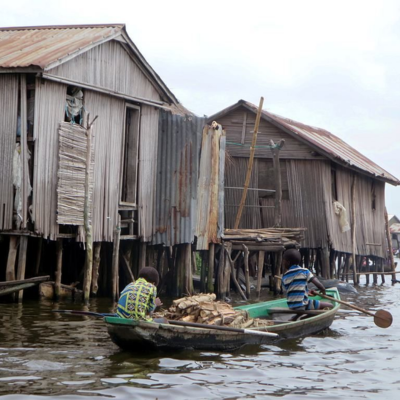
One of my most memorable mornings in Benin started before dawn. I travelled to Ganvié, a floating village on Lake Nokoué in southern Benin.
Ganvié translates from its Fon name to “we are saved.” Founded by people fleeing from slave traders in 1717. Only the water and the sky were beyond reach of their enemies, so they built on stilts above water. Today, an astonishing 45,000 people for this small village.
What Makes Ganvié So Special?
One of the most memorable mornings I spent in Benin dawned. The air felt cool. The sky was still soft grey. I didn’t stop long before heading out to Ganvié, a floating village on Lake Nokoué in the south of Benin. I’d seen photos going in, but nothing could prepare me for the real thing.
A Village Built on Water:
Ganvié translates as “we survived” in the Fon language. Founded in 1717 as a refuge for people fleeing slave traders. They lived on stilts, constructed their houses on platforms above the marshes which fringed the lake until they lay both along its margin and along that of its creeks; for their enemies feared headhunting in it; these headhunters were afraid because water spirits sometimes dragged them beneath the surface.
- Today, some 45,000 people live here.
- What makes this village unique:
- Homes rest on high stilts above the water
- Churches, schools, and shops are located in houses that float.
- Boats replace cars
- Life takes place entirely on the lake
It is commonly referred to as the “Venice of Africa,” but Ganvié has its own character, its own history, its own soul.
A Chilled Canoe Ride at First Light:
I climbed into a slim, wooden canoe with my guide. The boat chugged along narrow canals and past silent houses. The sun was turning the lake a mirror-like gold in morning’s first light.
As we pressed ahead, I saw:
- Women in broad raffia hats balancing baskets of fresh fish
- Men standing on their feet while casting large weighted nets
- The soft swish of cast nets dropping into the water
- Colourful wooden houses
- The mood of the room was low-key, easygoing, and relaxed. There was no sound of traffic, no horns, no engines, just the gentle swish of water.
Everyday Life on the Lake:
“Ganvié wasn’t built for tourists. It is a living community.
I saw:
- Kids rowing canoes to school
- Rice, vegetable, and fuel floating shops
- Ladies cleaning fish on wooden platforms
- Neighbors chatting from one stilt house to another
Life here takes its cue from the rhythm of the water. Everything relies on the lake, food, travel, livelihood, and connection.
Slowly, I realized something very important at that peaceful moment. Ganvié is not only lovely, but it also has meaning. It’s a story of survival, strength, and adaptation.
2. Understanding Benin’s Deep History
French travelers in Senegal, I used to hear so much back home about French people going on trips to Senegal. Benin was rarely talked about. That may be changing now.
Here furthered a vastly significant history: For Benin bears the deep imprint of their shared story.
- Transatlantic Slave Trade Hub: Benin served as a principal outlet in the transatlantic slave trade for over three centuries.
- Colonial Legacy: The French ruled the country for nearly a century before independence in 1960.
- Visible History: Unlike other destinations, Benin does not obscure its past. The story is visible in monuments, streets, and museums.
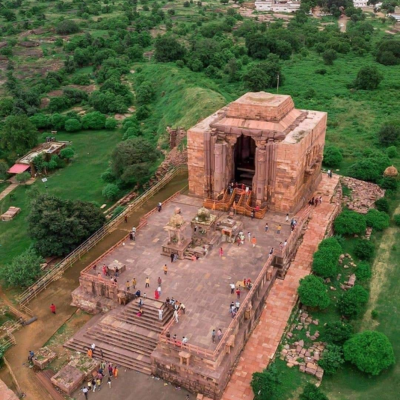
- I visited Ouidah, an hour’s drive from Cotonou.
Must-See Places in Benin
Place Chacha:
- A slave market in the 18th and 19th centuries
- Bronze statues of doors now occupy that spot, placed there so that no one forgets the sorrowful past.
Door of No Return:
- A memorial arch to the spot where Africans were marched down into ships headed for the Americas
- Sculptures depict men and women with tied hands
- Standing there gazing at the ocean, I felt very sad and respectful.
Contemporary Ways to Reconnect with the Past:
- Just last year, Benin modernized its nationality laws to extend citizenship through parentage to those who can trace their roots back to enslaved people in what is now the state of Benin.
- It’s a sign of how the country respects its history while rejoining its global family
Seeing these places will tell you that Benin does not “cancel” history; it remembers and honors it.
3. Salt Island and Living Traditions
Later in my trip, I visited Salt Island, located near Ouidah. This small island is famous for its traditional salt harvesting, a practice that has been passed down through generations.
What I Saw on Salt Island
Women at Work: Native women gathered salt from the shallow lagoon with extreme care. Every step was an exercise in talent, patience, and knowledge.
Traditional techniques: The salt was taken up with wooden implements and then rinsed and dried in the sun on flat, raked beds.
Group Effort: It was a collective effort. Women generally worked together, singing gently or chatting as they worked.
Natural Process: And its salt crystals are naturally processed from the water of an evaporated lagoon, making them pure and unrefined.
A Personal Experience:
- I had a couple of crystals in my palm and licked them.
- The resulting flavor was sharp, briny, pure nectar that tastes unlike any bagged and overly processed table salt you can find in stores.
- This salt, my guide said, is still prized and used to this day in some of the best restaurants in West Africa.
What It Taught Me:
- Living Traditions: My visit to Salt Island revealed that Benin is not mired in the past.
- Survival of Culture: People continue to perform traditions that are centuries old, come alive with living folklore.
- Food Connection: What people eat now. Local tradition affects modern cuisine that can be traced back to ancient times.
Moments like these reminded me that visiting Benin is more than sightseeing, it’s about witnessing a living culture, learning its roots, and savoring the caring.
4. The Spiritual Side of Benin
Another unforgettable part of my trip was visiting the Temple of Pythons in Ouidah. This sacred site is a cornerstone of Benin’s spiritual heritage and a window into the complex, deeply meaningful religion of Vodun.
Exploring the Temple of Pythons
- When I walked into the temple, I found dozens of pythons lounging peacefully in shady spots, some wrapped around wooden slats, others just lying on the ground.
- In Vodun, pythons represent strength, fertility, and protection, and are also among the sacred animals.
- Guides have said the snakes are treated well and don’t bite unless they are agitated.
Understanding Vodun:
- Vodun originated from Benin.
- And to the outside world, Vodun is often misunderstood, stereotyped in movies and popular lore that portray is as magic or superstition.
- On the ground, Vodun is a living religion devoted to venerating ancestors and receiving protection, health, assistance in times of need, and guidance for everyday life from spiritual forces.
Ceremonies and rituals are very symbolic, with offerings, music, and traditions immemorial.
A Personal Encounter:
- I was asked to handle a python, and my heart raced.
- As the guide gingerly draped an enormous, warm python around my neck, I held my breath.
- The smooth, muscular body of the snake lay quietly across my shoulders. I could sense its power and its stillness.
- There, standing among the general public, I felt more than a little fear and fascination along with respect.
Lessons From the Experience:
- Confronting Fear: Holding the python taught me to face fear with ease and respect.
- Culture Respect: Vodun is not a show; it’s a real-life spiritual practice. Seeing it for myself also allowed me to grasp the values, morals, and lessons that were instilled in this object.
- Why Go: Scenes like this are a reminder that travel to Benin is not about comfort or need. It’s also about learning, understanding, and engaging with a living culture that has been in existence for hundreds of years.
This encounter at the Temple of Pythons was a reminder that Benin provides rich, enlightening experiences that you carry home with you, lessons about faith, tradition, bravery, and respect for culture.
5. Art and Culture in Cotonou
Benin’s story goes beyond history. While its past is powerful and often moving, the country is also full of creativity, innovation, and modern culture. Visiting Cotonou gave me a glimpse of this vibrant side of Benin.
Visiting Fondation Zinsou
In Cotonou, I visited the Fondation Zinsou, a contemporary art center set in a beautiful Afro-Brazilian villa constructed in 1922. The building is a work of art in and of itself, with high ceilings, graceful balconies, and subtle touches that are a tribute to the area’s architectural ancestry.
The Fondation Zinsou is not only a museum, but a place where tradition embraces modernity, where local artists and international guests can meet through art. It seeks to promote African contemporary art while maintaining and celebrating Benin’s cultural heritage.
The “Promesse” Exhibition:
When I visited, the show “Promesse” by the artist Joël Andrianomearisoa was showing. The site-specific installation was immersive and intelligent, mixing ancient materials with contemporary artistic concepts:
- Sun Dried Teak Leaves: There was this one room where they had every corner of the space stuffed with sun-exposed teak leaves, which came from Ouidah, and it just made you feel like you were part of a natural environment. Walking through it was like entering the landscape.
- Sodabi Bottles: One of the installations filled with bottles containing Sodabi, a traditional distilled palm wine. The bottles were arranged in designs that reflected local life as well as artistic conception.
- Multimedia Angle: The show mixed natural materials and household objects with modern design, focusing on the conversation between Benin’s past and its present.
A Peep at the Rising Race:
- What really got me was seeing the younger generation of artisans in Benin at work:
- Artists, curators, and cultural activists are keeping history alive while also imagining new possibilities.
- They are reforging age-old crafts, music, and performance in universal ways.
- Places such as Fondation Zinsou provide young creatives with the space to fully express themselves freely, fostering invention without disregarding cultural heritage.
Fondation Zinsou showed me that Benin is a place where cultural history and contemporary life, framed by different but complementary histories, don’t just survive, it thrives; age-old traditions are buoyed not only by fleeting tourist interest but also by the next generation of believers who promise to carry them forward with pride.
Final Thoughts
Benin is a place you sense more than see. I recall the peaceful morning in Ganvié, the melancholy hush of the Door of No Return, the python’s heat around my neck, and then salt mixed with chocolate that tasted like tradition.
The nation encourages you to take life more slowly, to notice it and think. Its history is honestly remembered, its traditions are alive, and its beauty feels raw, real. Benin is literally not just a place; it’s an experience that remains with you post-departure.
Visit for more: https://travellergossip.com/
FAQ About Exploring Benin
1-Is Benin safe for visitors?
Yes, most areas popular with visitors like Cotonou, Ouidah, and Ganvié are generally safe. Like anywhere, it is important to stay aware and respect local advice.
2-What is the best time to visit Benin?
The dry season, from November to March, is usually the best time because the weather is more comfortable.
3-Do I need a visa for Benin?
Many travelers need a visa, but Benin offers an e-visa system that makes the process easier. Always check official government websites before planning.
4-What makes Benin unique?
Benin stands out for its deep history connected to the transatlantic slave trade, its role as the birthplace of Vodun, its floating village Ganvié, and its growing contemporary art scene.