
Introduction
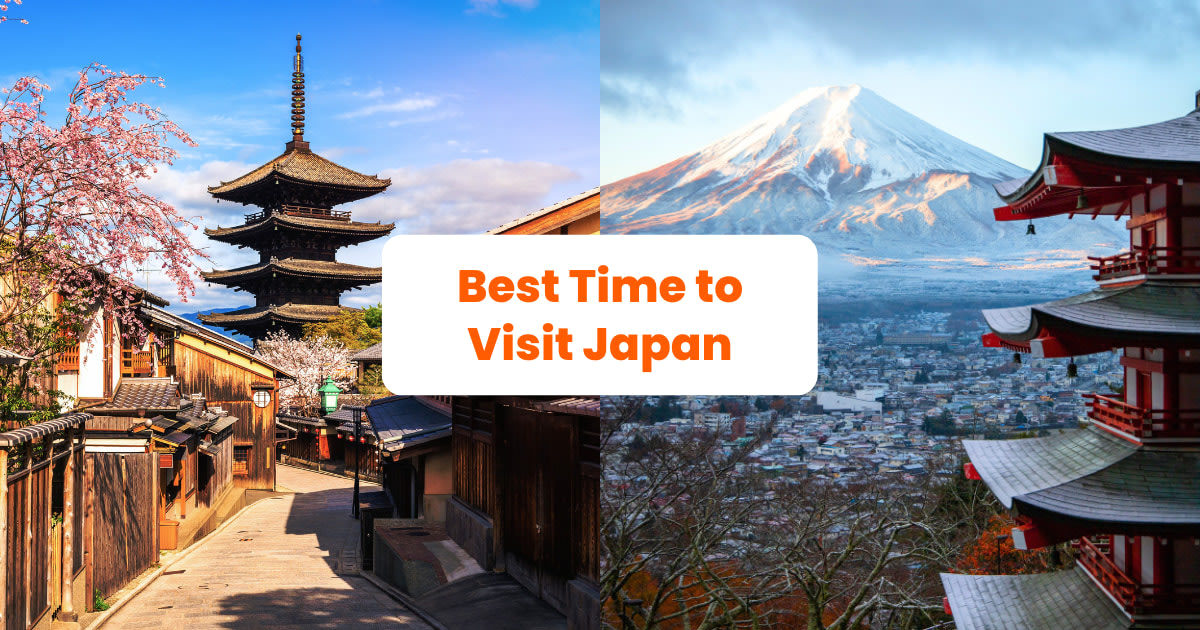
The perfect time to visit Japan was the very first thing I searched for when I started planning my trip. I soon came to learn that your experience can be very different depending on when and where you visit Japan. From modern cities to quiet villages, snow-covered mountains to cherry blossoms, neon lights and bullet trains to ancient temples, Japan is a country of stark contrast.
Table of Contents
ToggleSo, in this, you can see below a simple guide to everything I’ve learned from all my readings and experience. If you are planning for your ticket bucket list, this post is going to help guide you when it comes to the best time of year and how to visit Japan without being too overwhelmed.
Why Timing Matters So Much in Japan?
Japan has four clear seasons, and each one feels completely different. From cherry blossoms in spring to colorful leaves in autumn, every season offers something unique. That’s why understanding the perfect time to visit Japan is important before booking your flights.
Let me break it down season by season.
1. Spring (March to May): The Most Beautiful Season
If someone asks me about the perfect time and visit Japan, I often say spring without thinking twice. After researching and planning carefully, I realized that spring offers a beautiful balance of weather, culture, and natural beauty.
Spring is one of the most popular seasons to experience the perfect time and visit Japan. The weather is comfortable, the skies are mostly clear, and the country feels fresh and alive after winter.
Cherry Blossoms:
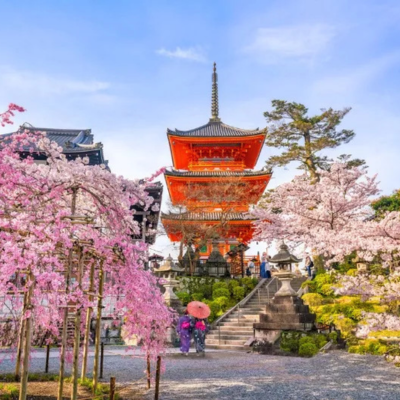
It’s one of those magical things about cherry blossom season. Parks, riverside walks, temples, and streets become awash with soft pinks and white as the sakura trees all burst into bloom. It’s as if the whole country pauses to celebrate nature.
Cities like Tokyo and Kyoto are particularly beautiful at this time. I learned that:
- In southern Japan, some blooms can start as early as late March.
- In the central sections, peak bloom typically occurs in early to mid-April.
- The time of bloom varies a bit from year to year, depending on the weather.
And a tip I always like: Check the forecast from the Japan Meteorological Corporation before booking your trip there. This will also allow you to plan your visits more systematically, around peak bloom dates.
What Makes Spring Special?
- Hanami-packed parks
- Folk and customs, Local festivals, The arrival of spring
- Trendy temple gardens with flowers everywhere
- Lovely daytime temperatures (not too hot, not too cold)
Pros of Visiting in Spring:
- Mild and pleasant weather
- Stunning cherry blossoms everywhere
- Great atmosphere with seasonal celebrations
- Great for sightseeing and walking tours
Cons of Visiting in Spring:
- Large tourist crowds
- Hotels sell out quickly
- Higher flight and accommodation prices
- Busy public transport
If you’d rather not fight the crowds, visit after Golden Week (early May). Golden Week is one of Japan’s largest holiday seasons, with a lot of travel activity.
Despite the crowds, a visit to Japan in spring still feels like just the right time for many travelers because of its beauty and energy.
2. Summer (June to August): Festivals, Fireworks, and Full Energy
Japanese summer is not the same at all. Yes, it’s not a good idea to go now, but knowing Japan is an experience everyone should have.
Early Summer (Rainy Season):
- June is the wet season overall.
- Showers and overcast days should be frequent.
- Umbrellas are your best friend for traveling.
- And even though it rains, gardens and woods are so very green and fresh during these months.
Mid to Late Summer (July-August):
- That is when Japan rocks with spirits.
- What Summer Feels Like:
- Hot and humid temperatures
- Bright sunshine
- Long daylight hours
- Busy city streets at night
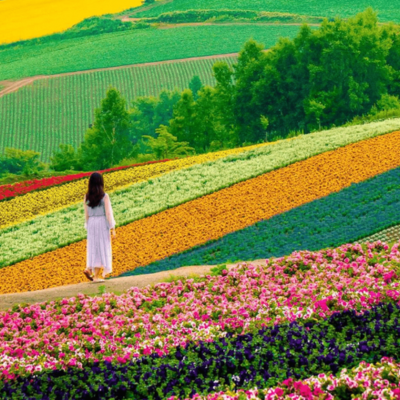
- In Japan, summer nationwide is a time for festivals.
What to Expect in Summer:
- Huge fireworks festivals (Hanabi)
- Traditional street dances
- Men and women in bright yukata summer kimonos
- 24 Hrs night food stand, local snacks
It’s fun, and frankly, it’s kind of a circle jerk. Music, food, and celebration flood the streets.
Pros of Visiting in Summer:
- Lively cultural festivals
- Amazing fireworks displays
- Vibrant nightlife
- Less crowded than during cherry blossom season
Cons of Visiting in Summer:
- Very high temperatures
- Heavy humidity
- Occasional typhoons (late summer)
- Rain during early summer
And even if you love high energy, street food, and events in the culture stakes, summer could still be your perfect time to visit Japan.
3. Autumn (September to November): Calm and Colorful
Autumn is also a serious contender for the ideal time to go, and Japan’s perfect season as well. Having recently been reminded of the seasons and spent time exploring, I have honestly come to believe that autumn gets the short end of the stick.
From September to November, Japan gradually serves as a canvas for warm colors. The atmosphere is then cool and fresh, whilst comparing most favourably with the weather during the hot season. There’s no thick humidity as in summer, and it isn’t too cold like winter. For sightseeing, wandering in temples, or walking around cities all day, this season feels just perfect. This is why a lot of travel enthusiasts believe that autumn is an amazing season, so they swarm to Japan for a relaxing and comfortable holiday.
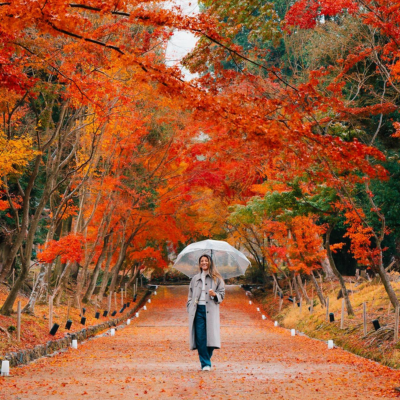
And they include the most beautiful thing about fall: foliage. Trees look each to their own, deep red, bright orange, and golden yellow. Parks, mountains, temples, and gardens look breathtaking. An atmosphere that is unique in the world. Cities such as Kyoto are a source of magic, particularly during this season: foreboding, traditional streets and temples framed by multicoloured leaves. Even newer parts of Tokyo seem to soften and look more scenic under autumn skies.
This is why I highly recommend Autumn as the optimal period to visit Japan, and here’s why:
Fewer Crowds:
- It is generally less crowded than during cherry blossom season. You can enjoy world-famous sights without all the hustle and bustle. This will help give you a more zen and serene experience.
Comfortable Temperatures:
- The weather is already warm and lovely, wonderful for wanderlust on foot, outdoor moments’ picture taking, and local set discovery. You won’t be overly exhausted by heat or frozen by the cold.
Stunning Fall Colors:
- Autumn leaves make for stunning photography opportunities. The gardens, temples, and mountain scenery are picture-postcard perfect.
Calm and Peaceful Atmosphere:
- The autumn vibe is often slower, more peaceful. It seems as if the country is taking a deep breath, gearing up for winter. For travelers who savor silent beauty, it does indeed seem like the ideal time to visit Japan.
- Personally, I think that fall provides us with Mother Nature’s best efforts in terms of beautiful foliage and comfort. To make a long story short, if you are looking for a peaceful, picturesque, and hassle-free trip, autumn might be the best time to visit Japan.
4. Winter (December to February): Snow and Savings
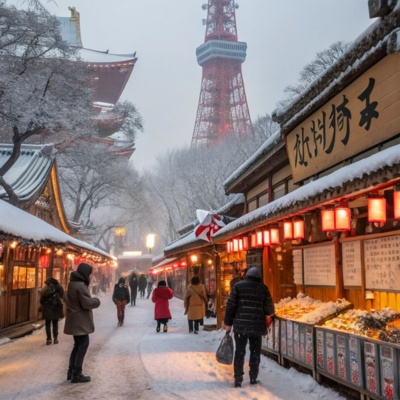
Traveling to Japan in the winter season can bring calm, picturesque views often missed during the loud and crowded summer months. Except New Year holidays, it is much less crowded during this season compared to spring and summer. That makes it a great choice for anyone in search of a more laid-back ride.
Cost is one of winter’s great advantages. Flights and hotels are likely to be cheapest between mid-January and March, so if you’re on a budget, this is perhaps the cheapest time to visit Japan. Most visited places are not crowded, so you can travel in a leisurely manner owing to no long queues or cramped streets.
Skiing in Hokkaido:
- Winter is truly magical if you’re a snow lover. Hokkaido, Japan’s northernmost main island, is known for light, dry snow. Skiing here draws visitors from around the world, making it a wish-list destination for anyone who loves snow sports.
- This is where I discovered how much you can do in 4-5 days, be it skiing, snowboarding, or simply playing in the snow. From snug mountain lodges to hot springs (onsen) nearby, another reason winter may actually be the best time to go to Japan if you’re after a bit of adventure combined with relaxation.
Why Winter Can Be Great:
- Less expensive travel costs: Flights, hotels, and even some attractions are less expensive than they are for peak season.
- Less crowded: Have the best view and take great pictures of iconic sights.
- Snow festivals and views: In all its purity Equal to a real-life postcard, are winter festivals, ice sculptures, temples dressed in snow, you’ll no doubt fall in love at first sight!
- Peaceful travel experience: Strolling through a hushed, snowy city feels like unlocking a little bit of magic or meditation.
Even if you’re not a skier, the Japanese winter has a special magic. Hot springs, winter illuminations, and mountain hamlets covered in snow offer you a completely different experience compared with spring or fall.
If you time it right, winter in Japan can really prove to be the best time to visit, with lovely scenery, affordability, and no rush of tourists.
Cheapest Time to Visit Japan
If money is no object for travel, the cheapest perfect time to visit Japan would be mid-January through March. This is still well into what counts as Japan’s off-season for its own nationals and international travelers, just after the New Year holidays, when visitors from both groups typically have gone home. There are a few benefits to traveling around this time, especially if you want to see the country without breaking the bank.
Why This Time Is Cheaper?
Fewer Tourists:
Popular spots like Tokyo, Kyoto, and Osaka are less crowded in the off-season. Rather, you won’t have to wait in long lines for attractions, and you can enjoy a more tranquil sightseeing experience. This will help you organize your daily plan and ensure smoother crowd-free photo sessions.
Lower Hotel Rates:
Hotels frequently lower prices after the holiday crush. During these months, many hotels and resorts offer special packages or savings. You can select from a wide range of lodging options, everything from budget hostels and capsule hotels to the classic ryokan, or Japanese inn, but pay nowhere near what you would during peak season.
Discounted Airfares:
Airlines also drop ticket prices during this time, making flights cheaper. Booking tickets from mid-January through March could score you a decent deal and leave you with extra cash to sample Japan’s food, sights , and activities.
Is Japan Expensive for Indians?
Japan is often cited as one of the most expensive countries to visit, but if you travel at the right time and with a bit of preparation, you can do it without emptying your wallet. Throughout my journey, I found a few simple tricks to cut costs without sacrificing experiences, food, or ticking off sights.
Take the Trains, Not the Cabs:
- Transportation can be one of the most costly factors while you visit Japan, and for Tokyo or Osaka, it is no different. Taxis are convenient but costly. I realized the way to go was to travel to Japan by train.
- The Shinkansen (bullet train) is clean, fast, and very efficient. It takes only a few hours to travel to major cities, which saves time and money.
- Local trains and metro lines run on schedule, and you can go everywhere where there are tourists without difficulty.
- If you are going to travel between cities, a JR (Japan Rail) pass may be worthwhile for unlimited passage over a certain time period. This pass is going to be a game-changer for anyone who wants to time the perfect visit to Japan without breaking the bank.
By taking trains, I managed to see several cities, Tokyo, Kyoto, and Osaka, without burning a hole in my pocket.” It also allowed me to experience traveling like a local.
Walk Whenever You Can:
- Another simple but effective way to save money. Lots of Japan’s cities are very walkable with safe, clean streets and good signage.
- You can find hidden gems, quiet temples, and street-side cafes when you walk that will be likely missed if you travel mainly in taxis.
- It’s free, good for you, and puts you more in touch with the city’s culture.
- I love meandering around neighborhoods in Kyoto and down cobblestone streets in Tokyo, feeling like a local dwelling there while saving money.
By walking, I didn’t just get to keep the costs of transportation and have my perfect time and Japan visit unforgettable.
Choose Airbnb or Guesthouses:
- Airbnb: A range of traditional Japanese homes, modern studios, or minimalist apartments are available for even cheaper than hotels.
- Guesthouses and Hostels: Perfect for solo travellers or small groups looking for budget accommodations.
If you book several months in advance during slower seasons, like mid-January to March, you will get even better deals.
I realized that staying in an Airbnb would offer me the most flexibility, a kitchen to prepare at least some of my own meals, and the opportunity to live like a local, all for less money.
Final Thoughts
After bending down more than I thought possible to learn Japan through the lens of what my trips would look like, crisscrossing its cities, mountains, and countryside, I really believe that the best Japan experience is heavily dependent on your personality of travel and what you want your memories to be.
- If you enjoy flowers, festivals, and party atmosphere, then spring is the ideal period for your Japan trip. With cherry blossoms, seasonal festivals, and bustling city streets, this is a magical time to visit the country.
- If you like serene beauty, quiet streets, and stunning landscapes, then autumn is the best time to visit Japan. The autumn leaves, quiet temples and mild weather mean sightseeing is similarly laid-back – and that’s not to forget, pleasing on the eye.
- If you are looking to spend the least amount of money to visit Japan, winter is by far your best time for a trip to Japan. Fewer tourists and reduced airfare and hotel rates mean you can even hit the major sights without busting your budget.
- If you’re into high-octane culture, festivals, and the buzz, then summer could be your perfect time to visit Japan. Fireworks, street festivals, and bustling markets bring the cities to life like nowhere else.
As for me, I would say that spring and autumn seem to be the most secure seasons in terms of returns to visit Japan. The weather is mild, the land is beautiful, and the experience feels well-rounded between beauty, culture, and exploration!
There’s far more to Japan than just somewhere to go, it’s a series of experiences, tastes, sights, and moments that you will never forget. If you plan your visit to Japan strategically, then every city, temple, mountain, and street corner can seem magical.
Visit for more: https://travellergossip.com/
FAQ
1- What is the perfect time to visit Japan for first-time travelers?
Spring (March–May) and autumn (September–November) offer the best weather and scenery.
2- What is the cheapest time to visit Japan?
Mid-January to March is usually the most budget-friendly period.
3- How many days are enough?
At least 10–14 days for Tokyo, Kyoto, and Osaka.
4- Is Japan safe for Indian travelers?
Yes, Japan is one of the safest countries in the world.