
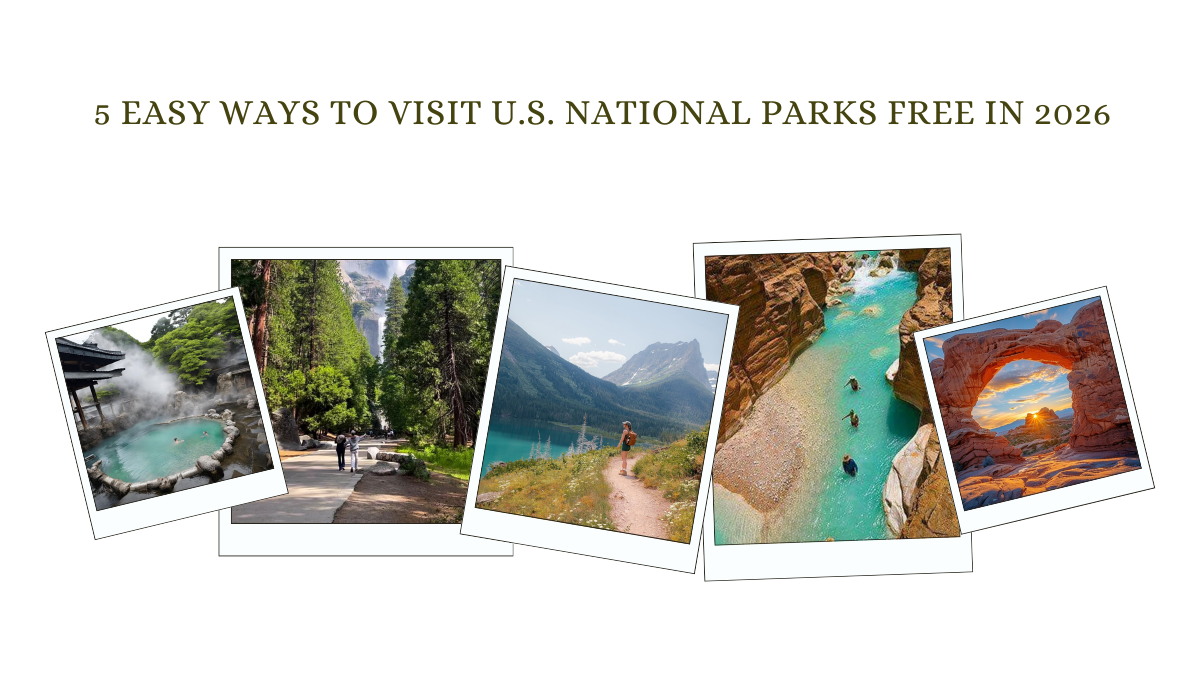
Introduction
National parks, free in 2026, are an incredible way to get out and see the beauty of the country without it costing you a fortune. If one of your 2026 goals is to get outdoors more or appreciate stunning scenery, then you’re in luck. As a travel blogger, I know firsthand how exciting it is to plan trips to visit these parks, and how costly they can be if you don’t spend some time finding the best deals. But have no fear! There are many ways to take in some of America’s most beautiful scenery without going broke.
Table of Contents
ToggleNational parks have been growing in popularity, and are becoming increasingly crowded in recent years. In 2024, a record 331.9 million people experienced these stunning natural wonders, and early data from 2025 indicates that figure may have soared higher still. In the US, there are national parks featuring stunning mountains, clear lakes, deserts, and forests with diverse wildlife. Whether you enjoy hiking, camping, birdwatching, or just want to take in the views, national parks make for the ideal getaway.
In this post, I’m going to go over all the things I’ve learned about visiting national parks, tickers in 2026 and beyond. I’ll detail fee-free days, discount passes, and special programs that grant access to these parks. By the time you’re done, you’ll be a portable pro, able to plan a budget-friendly adventure to some of the most beautiful natural locations in America.
Why Visiting National Parks Is Worth It?
Visiting national parks in the US is one of the cheapest ways to get out and explore “America” without spending a ton of money. The next year is the perfect time to get outside, rediscover nature, and tick some of the country’s most storied natural wonders off that list. Its parks and monuments are among the most spectacular natural wonders in the world.” As someone who spent years traveling around the U.S., hiking through forests, camping under the stars, and exploring its majestic mountains, I can tell you that going to national parks isn’t just a trip; it’s an experience that will stay with you your whole life.
Indeed, national parks have become more popular in recent years. In 2024, a record-setting 331.9 million people visited those fantastic places, and early numbers indicate that in 2025, even more people sought the peace, beauty, and adventure that only national parks can offer. From the soaring cliffs of Yosemite to the geothermal marvels of Yellowstone and from the grand canyons of Grand Canyon to the lush wetlands of the Everglades, America has an awesome collection of natural wonders for adventure lovers. Every park has its own distinctive personality, wildlife, and landscape that make each visit an adventure.
But as much as I love these trips, I’m not going to lie: Visiting multiple parks can be costly if you’re paying entrance fees separately. That’s why you’ll want to read up on how to visit national parks in the US, for free in 2026. There is something for everyone: whether you are a U.S. citizen, traveling with your family (including kids), part of the military, and/or are into volunteer work, there are programs and passes that make these parks attainable at budget-friendly prices.
Changes to National Park Fees in 2025
Before I share how to get in for free, it’s worth noting some changes. Enhanced penalties and the international visitor fee. In 2025, a new policy took effect that imposed an additional $100 for each person visiting from foreign countries at the 11 most visited national parks. These are places like Yellowstone, the Grand Canyon, Yosemite, and Zion.
And international visitors cannot utilize the fee-free days that I will tell you about later. If you’re coming from out of town, you’ll have to pay the entry fee or think about getting an annual pass.
For United States residents, however, there’s still a highly cost-effective way to see several parks without the need to pay admissions individually: the America the Beautiful Pass.
1. Free Entrance Days in 2026
One easy way to visit national parks in the US, free in 2026, is to organize your trips around the open fee-free days. These are certain days of the year when the National Park Service does not collect entrance fees from visitors to any of the country’s national parks. For the budget traveler, or really, anyone who simply wants to get the most out of their trip, these are golden days.
Ten of those days in 2026 you can cash in on the no-fee deal. Here is a closer look at each and what makes it special:
- Feb. 16 Presidents’ Day. This federal holiday falls early in the year and can serve as an apt launchpad for your national parks adventures. So many parks are quieter than they are in summer, and if you get there early enough, you can have trails and lookout points to yourself before crowds arrive for the weekend.
- May 25 Memorial Day: The nation’s summer travel season begins every year, as a rule, on the Memorial Day weekend in the United States. And all this is happening at a perfect time for families to visit the parks without having to elbow past summer’s peak crowds. Anticipate more people, so plan, try to reserve campsites, and get an early start.
- June 14 Flag Day and President Donald Trump’s Birthday: June is popular for hiking, sightseeing, and photography. Late spring, when wildflowers are in bloom and wildlife stirs, is particularly beautiful.
- July 3–5 Independence Day Weekend: It’s among the most crowded periods. Hundreds of thousands travel to iconic parks like Yellowstone, Yosemite, and the Grand Canyon over the long weekend. If you do intend to go at this time, be prepared for crowds, book lodging well in advance, and try to visit some of the more remote areas of the park where visitors are less likely to congregate.
- August 25 National Park Service 110th Anniversary: Commemorating the creation of the National Park Service, this day is a wonderful opportunity to take part in special events and activities in parks across the country. That’s what the anniversary amounts to more than a free entry day, really, it’s a birthday of America’s natural heritage.
- Sept. 17 Constitution Day: Early fall is a great time to visit national parks, as the weather’s nice and crisp in some areas and leaves are beginning to change in others. The fee-free day offers a bonus: the opportunity to enjoy these autumn landscapes without additional park fees.
- October 27, Theodore Roosevelt’s birthday: I love visiting national parks in the fall; it’s one of my two favorite times of year to visit. The crowds dissipate, wildlife becomes more active, and the views can take on a magical quality with autumn colors. It’s a great day for long hikes and photos of breathtaking landscapes.
- Nov. 11 Veterans Day: As we celebrate the contributions of our veterans, it’s also a chance for families and travelers to experience parks without having to pay an entrance fee. November is one of the quieter months for most of the parks, so you will have a tranquil, more reflective visit.
How to Spend Your Free Time:
Free days are terrific, but they also have some caveats:
- Arrive Early: On free days, several parks get crowded very quickly. Coming early means you’ll find parking, access to popular trails, and good spots to take in the scenery. I usually begin my day at sunrise to find fewer people on the trails and sit and watch the park wake up.
- Plan Ahead: Visit the National Park Service website to find park hours, events, and temporary closures. In popular parks, there are timed-entry systems for the free days.
- Bring Your Food and Water: Most parks have cafes and restaurants, although free days get crowded, and prices can be steep. Packing your own snacks or a picnic is a great idea and makes for an easier and more fabulous day.
- Attend lesser-known parks: If you have flexibility in your schedule, check out smaller or less popular parks on free days. They frequently offer the same showstopping views but without the masses.
- Look for Special Events: A few sites may offer ranger talks, guided hikes, or family activities on fee-free days. While at these programs, you can have even more fun.
Strategically planning to take advantage of these fee-free days means you can gain access to the beauty and adventure of national parks without paying a single cent in entrance fees. Whether you’re hiking a picturesque trail, taking photographs of geysers, or camping under the stars, planning your visit around these dates can help you save money while allowing you to experience all that the park has to offer.
2. Military Pass
There are several free ways you can visit national parks in the US one day. The best way to visit national parks in the US for free in 2026 is by using the Military Pass. This program is intended to pay tribute to the service and sacrifice of current and former members of the US armed forces, as well as their families.
The Military Pass gives active duty military and their dependents free annual access to all national parks. That means you can visit iconic parks like Yellowstone, Yosemite, and the Grand Canyon for free (that is, without having to pay any admission fees). It may be a small step toward making it easier for those who serve the country to explore America’s natural wonders.
They also have an even more generous option for veterans and Gold Star Families — those who have lost a loved one while serving on active duty: the Lifetime Military Pass. This pass provides free access to all national parks for life and allows those who qualify to visit these amazing lands at any time. Both the annual and lifetime versions have a nominal processing fee of $10, which, for unlimited entry to some of the most stunning places in the country, is quite reasonable.
Who Qualifies:
- Active-duty American military personnel and their dependents.
- Veterans and Gold Star Families (immediate family members of a service member who was killed in action).
Benefits:
- Annual Military Pass: Free annual entrance pass for military personnel and dependents.
- Lifetime Military Pass (for veterans and Gold Star Families): Free entry to all national parks for life.
Cost:
- Will be charged the $10 processing fee for annual & lifetime passes.
Instant Access:
Active-duty service members may present a valid military ID at park entrances to receive immediate free entry, without the need to apply for a pass.
Why It’s Worth It:
- Makes free visits in 2026 easy for servicemembers to national parks in the US.
- A meaningful way to celebrate military service while experiencing the beauty of America.
- Great for jump-starting that last-minute trip, weekend getaway, or extended park stay.
3. Access Pass
So if you’re an American citizen or permanent resident with a permanent disability, the Access Pass provides a great way to see national parks for free in 2026, while providing additional benefits that make your trip more accessible and enjoyable.
Who Qualifies:
- Eligibility: U.S. citizens or permanent residents with a permanent disability.
- Documentation: Statement from a licensed physician that states:
- The person has a permanent disability.
- The nature of those limitations.
Special Note: Pass holders do not need to renew; they are lifelong passes, as in once you’re approved, you have it forever.
Key Benefits:
Entry For Life: You get free entry to all of the national parks, including major ones like the Grand Canyon and Yosemite, as well as lesser-known gems that are tucked away from the crowds.
Free Amenity Fees: Some national parks add on a few extra amenities for campgrounds and other things, like picnic areas. With the Access Pass, these fees are waived, making the visit more enjoyable and affordable.
Access Things: Several national parks have accessible facilities for persons with disabilities, such as the following:
- Trekking trails and viewpoints are available
- Wheelchair-friendly visitor centers and restrooms
- Visitors with limited mobility or other special needs. Specific programs or guided visit!
How to Apply:
- Obtain a letter from the Medical Doctor stating you are permanently medically disabled with the”Required Language” listed on your letterhead.
- You can apply online, via mail, or in person at participating federal lands or national parks.
- Get approved and receive your lifetime Access Pass.
Tips for Maximizing the Pass:
- Plan Accessible Adventures: Visit the National Park Service web page to find trails, shuttle services, and accommodations that are accessible.
- Bring a Companion: A few parks offer programs through which visitors with disabilities can bring a companion for free on certain activities.
- Can Be Paired With Other Programs: If you’re also traveling on fee-free days, you could pair this with other programs to increase the number of parks that you visit without spending a dime.
- Slow Down: Relax and really experience the park. Decidedly easy-accessible trails can offer the same breathtaking scenery as more difficult treks.
Why It’s Worth It:
The Access Pass is not just a free pass; it’s your ticket to adventure, exploration, and a long-lasting connection with nature. For individuals with disabilities, it eliminates monetary and logistical barriers to a sense of belonging, so that everyone can experience the awesome alpine and lake settings and go in search of wildlife for which many U.S. national parks are renowned.
I’ve witnessed families with children, older adults, and those with disabilities light up when they learn that they are able to enjoy parks just like everyone else. And it’s wonderful to think something as simple as a pass can make memories that last a lifetime. For those who do qualify, the pass is truly priceless, not only in money saved but also in terms of access, freedom, and a connection to nature.
4. Every Kid Outdoors Pass
One of the best programs I know for visiting national parks in the US, US free in 2026, is an Every Kid Outdoors Pass. As a travel blogger, I’ve been lucky enough to witness how this program inspires kids and families to hit the great outdoors, and it’s an absolute game-changer for budget family travelers.
Who Qualifies:
- Eligibility: All fourth graders in the U.S. are eligible to obtain this pass.
- Family Access: Not just for the student, the pass applies to all members in the private vehicle, including Mom, Dad, and Siblings or friends traveling together.
- Validity: The pass is valid for 1 year, so families have enough time to visit as many parks as they like and take trips according to their calendars.
How It Works:
- Must Print Pass: They will not accept a digital copy of the reservation, so make sure that you print it out before going to the parks.
- How to Apply: Families can get the pass on the Every Kid Outdoors website, where the student information is entered, and the pass is issued.
Free Access Includes:
- Access to all national parks, national wildlife refuges, national forests, and other federal recreational lands.
Most entry fees are covered, allowing families to visit several sites without fretting about cost.
Benefits for Families:
- Accessible Adventures: I have used this pass when taking local students on trips to Yellowstone National Park, and it made a fourth-grade camping trip affordable for all families. The kids loved getting to see geysers, wildlife, and hiking trails, the parents appreciated that it didn’t break their budget.
- Promotes Outdoor Learning: This program will be great if you want to get your kids involved with nature early on, whether it is learning about wildlife, affecting the balance of an ecosystem, or how humans use space and water.
- Flexible Travel Planning: As the pass covers an entire year, families can plan weekend getaways, school trips, or summer travels without thinking through entrance fees.
How to Get the Most From the Pass:
- Print Early: Be sure to print out the pass ahead of visiting the park, since digital ones are not accepted at the gate.
- Organize Group Trips: If you´re visiting with a group of friends or extended family, plan to all ride together so you can access for free.
- Combine With Fee-Free Days: While it already confers free entry, visiting on official fee-free days can mean special events, ranger programs, and educational opportunities for kids.
- Pack What You Need: Ensure you have snacks, water, and sun protection when exploring trails and geysers on a full-day adventure.
Why It’s Worth It:
The Every Kid Outdoors Pass is more than a free pass for entry; it’s a ticket to lifelong memories, invaluable learning, and no-cost or low-cost recreation in America’s outdoors. If you’ve ever worked with kids, you know how their eyes glisten when they see an elk or bison, go on a hike to experience a waterfall, or stand in awe of the grandeur of a canyon. For parents, it’s an opportunity to give youngsters a sense of the wonders national parks hold, free of concern over entrance fees, putting it among the best value-for-families programs in America.
I have always been inspired by the families who explore our parks with their Every Kid Outdoors Pass. It’s evidence that introducing kids to nature early can spark a lifetime’s love of the outdoors, and all for free.
5. Volunteer Pass
If you’re someone who loves to give back to nature even while visiting national parks, the US (free in 2026) Volunteer Pass is a great choice. This program is a way to give back to people like my friend Richard, who thinks nothing of dedicating hours and days to keeping public lands in shape. It is our way of turning your volunteer work into a year’s worth of free entry to some of the most beautiful landscapes in America.
Who Qualifies:
Who is eligible to apply: Volunteers who want to give back to the lands through federal agencies, including:
- National Park Service (NPS)
- U.S. Fish & Wildlife Service
- U.S. Forest Service (USFS)
- Bureau of Land Management (BLM)
- Bureau of Reclamation
- U.S. Army Corps of Engineers
Volunteer Hours Needed: Anyone who wants a year-long or three-year access pass must volunteer 250 hours.
How It Works:
- Annual Pass: The Volunteer Pass is good for one year, so you’ll need to knock out 250 hours a year if you’d like to keep using it.
- Flexible Schedule: No need to complete the total 250 hours in one year; you may volunteer on several different projects or at a variety of locations to reach the 250-hour minimum.
- Recording Hours: You need to track your hours. In many agencies, logs or forms are offered for the volunteer to complete in order to apply for the pass.
Benefits:
- Free Annual Entry: Once you achieve the pass, you receive free entry to national parks and other federal lands, including any amenities and entrance fees.
- Give Back To Nature: Volunteering allows you to experience conservation firsthand! You could be planting trees, restoring trails, eradicating invasive species, or maintaining visitor facilities.
- Community Impact: In addition to the personal benefits, volunteering helps preserve and enhance parks for future visitors, so it’s a great way to give back as well.
- Improved Park Experience: On a personal level, I was more connected to the park, the trails, and sights were rewarding in a new way.
How to make the best of Volunteer Pass:
- Plan Ahead: Check Volunteer. gov and on the websites of individual agencies for opportunities and projects near you.
- Select Projects You Care About: Pick volunteer opportunities around topics you are interested in, such as trail maintenance, wildlife monitoring, or education programs.
- Mix with a Little Travel: For many people, volunteer projects join park trips (work for a few days doing things beneficial to the park; get access to sights for free).
- Record Keeping: Record the contacts between you and the agency where you volunteer, including your hours worked as well as the contact information for your supervisor at that site, in case findings occur that require verification to be submitted.
Why It’s Worth It:
The Volunteer Pass is more than a money saver: it’s an opportunity to give back, discover the beauty of nature, and be part of a community of park stewards. In my case, volunteering has changed the way I think about visiting national parks. Having this sense of responsibility for helping to preserve the trails, wildlife habitats, and natural resources made every hike, waterfall, and scenic overlook feel even more special.
Whether you’re a nature enthusiast, avid hiker, or simply someone who wants to find a more purposeful way to spend time outside in the national parks for free in 2026, the Volunteer Pass allows adventure and service to intersect.
Final Thoughts
Free national parks in the US visits are a doable bucket list reality if you plan. Soak in some of the country’s most beautiful natural landscapes and save money while doing it, whether you’re a U.S. resident or an international visitor. From fee-free days to special passes, volunteer opportunities and family programs, there’s an option for all types of travelers.
There’s nothing like standing on a cliff, overlooking a valley, and then the wind starts to rustle through the trees, or looking at wildlife when it has space to live its life. And doing it without spending a fortune, that really pays off.
So break out your hiking boots, map out your fellowship, and make 2026 the year you get yourself to the U.S.’s amazing national parks, for free or practically nothing at all!
Visit for more: https://travellergossip.com/
FAQ: About National Parks In U.S
1-Can international visitors visit national parks in 2026?
Unfortunately, international visitors cannot take advantage of free entrance days. However, they can purchase the America the Beautiful Pass for $250, which covers entry to most parks.2
2-How do I get the Every Kid Outdoors Pass?
U.S. fourth graders can apply online at the Every Kid Outdoors website. The pass must be printed and will cover the student and their private vehicle for the year.
3- Are there discounts for seniors?
Yes, Americans aged 62+ can get the America the Beautiful Pass for $20.