
Introduction
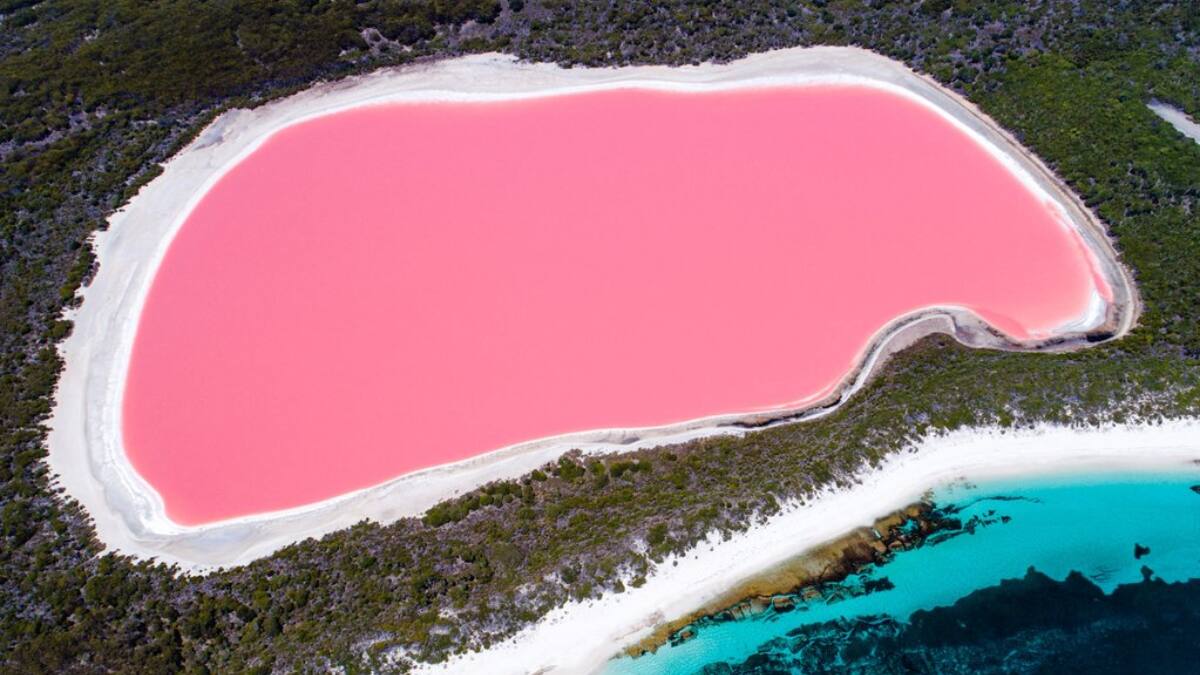
Pink Lakes in the World, that’s exactly what I typed into my search bar one evening while dreaming about my next getaway. I had seen pictures of bubblegum-colored water online, and I honestly figured they were edited. But as I continued to research, the more I learned that those surreal lakes are indeed very real. From Australia to Africa to South America, the natural world has formed some stunning cotton-candy-colored wonders.
Table of Contents
ToggleAs someone who loves to discover gems in travel, I was curious about learning more about these magical areas. What makes them pink? Are they safe to visit? Can you swim in them? And most importantly, which ones deserve a place on a bucket list?
In this article, I’m introducing you to five magical pink lakes across the world, in layman’s terms, of course, with practical travel information and tips. If you’re making travel plans for your next escape, this plan might inspire you to color the world pink.
Why Are Pink Lakes Pink?
Before diving into the destinations, though, here’s what I learned.
The pink coloration of the lakes comes from small organisms such as algae and bacteria. One key contributor is Dunaliella salina, a type of algae that manfaxtures a red pigment to endure salty water. Some bacteria also produce color when the salt levels increase.
The warmer the water and the saltier the sea, the deeper pink hue typically becomes.
Pink lakes are also not created equal: Some are safe for swimming, but others have salinity or alkalinity that may scald human skin. So it’s always wise to check before you take a dip.
Now, let’s see the prettiest ones.
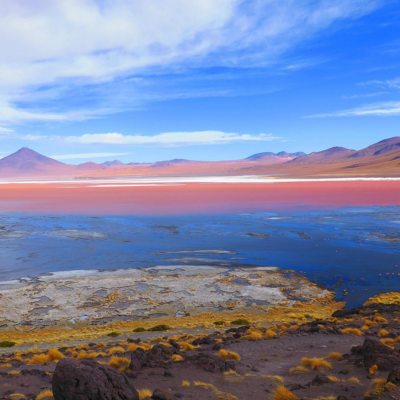
1. Laguna Colorada
Pink Lakes in The World, that’s literally what I typed into the search bar one evening when it was all quiet, and I thought of my next getaway. I flipped through case after case of identical beaches, mountains, and city skylines, but nothing really shocked me. I wanted something different. Something rare. Something that didn’t look real.
And then I stepped into the realm of pink lakes.
Initially, I figured it was just some social media trend. The photos seemed almost too perfect, bright bubble-gum water juxtaposed against white salt beaches and blue skies. But the more I looked into it, the more intrigued I became. These pink lakes weren’t edited. They were natural wonders located in various regions of the world.
The fact that certain lakes across our planet can change to shades of pink, red, or even purple blew me away.
Here’s what led me to go down the rabbit hole of pink lakes:
They Exist Across Different Continents
That lakes exist beyond one country. They exist in Australia, Africa, Europe, and South America. That means, wherever you are in the world, there’s probably a pink lake nearer to you than you imagine.
The Science Is Fascinating
I learned that lakes are colored by salt-loving algae and bacteria. These microorganisms create red and orange pigments when salt levels spike and temperatures rise. The lake becomes pink when sunlight hits the water. It was as if nature’s own chemistry experiment was taking place in the world at large.
They Look Different Every Day
One of the most thrilling things about lakes is that their colour varies! The shade can vary from a dusky pastel pink to a deep red depending on the time of day, season, and weather. That means no two visits need to look the same, even on the same lake.
They Attract Unique Wildlife
Most flamingos in the world live in these lakes. The same algae that gives the water its pink hue also colors flamingos. It was amazing that the whole ecosystem is connected, from the bacteria to the birds.
Some Are Safe, Some Are Not
I never considered that not all the lakes could be swum in. While researching them for my article on it, I discovered many are dangerous. Others are very salty, such as the Dead Sea. Some extractions can be quite alkaline and can irritate the skin. To visit them requires some awareness and respect for nature.
They Make You Feel Like Hidden Travel Gems
What I love most is that these lakes still feel special and a little mysterious. They are less crowded than famous beaches or landmarks. Visiting one is like finding a hidden corner of the world.
That simple search, “Pink Lakes in the World, turned into hours of reading, planning, and daydreaming. It reminded me that the world is full of unexpected beauty. Sometimes, the most magical places aren’t skyscrapers or theme parks. Sometimes, they’re quiet, salty lakes glowing pink under the sun.
Exploring lakes isn’t just about taking photos. For me, it’s about witnessing how creative and surprising our world truly is.
2. Hutt Lagoon
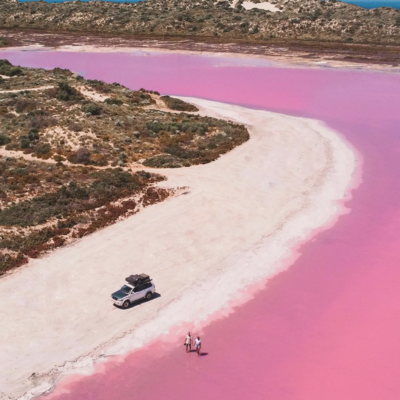
If there’s one place that best embodies the stunning pink lakes of the world, it has to be Hutt Lagoon in Western Australia. This is one of the most photographed pink lakes on the planet, and when I found out more about it, I claimed to understand why.
What proves even more spectacular about Hutt Lagoon isn’t its colour, but how the shade evolves throughout the day.
Why Hutt Lagoon Is So Famous
- Color-changing magic: The lake can look like soft baby pink in the light; bubblegum’s bright, redder, deep red, even purple, all depending on sunlight, temperature, and season. It seems like seeing nature paint different shades across the body of water.
- Perfect lighting: Whether the lake glows will depend on what time you visit; sunrise and sunset are seen as the best moments. Pink tones can also intensify in midday sunlight.
- Natural phenomenon: The color of its waters, like many pink lakes around the world, is due to salt-loving algae that produce red pigments when conditions are highly saline.
Location & Size
- This is also located close to a fishing village called Port Gregory in Western Australia.
- It spans about 27 square miles and is one of the largest pink lakes in the world.
- Located on the Coral Coast, making it ideal for a picturesque coastal road trip.
Accessibility
Unlike many of the world’s pink lakes, which some require extensive hiking or special tours to see, Hutt Lagoon is relatively easy to get to:
- 6 hours from Perth
- Definitely something to add to your Western Australia road trip agenda.
- The viewpoints are on the main road and accessible by car.
- For those seeking something more dramatic:
- Aerial views are amazing with helicopter tours.
- From a distance, the lake appears to be a huge pink canvas on top of a blue sea and green land.
Why It’s Unique
- It is one of the most consistent lakes in Australia.
- There is something very visually striking about it, the bright pink water and blue skies contrasting starkly.
- It’s also less crowded than other renowned natural wonders worldwide.
Travel Tips
- Go in warm months for the strongest pink tones.
- Try to schedule your visit for around sunrise or sunset, when the lighting is perfect.
- Pair it with these nearby coastal towns, where you can really chill.
- For this reason, bring sunglasses; the reflection of salt and sun can be quite intense.
- No swimming due to high concentrations of salt.
For me, Hutt Lagoon is about how surprising the world can be. Of all the pink lakes on earth, this one feels both accessible and otherworldly, a realm where science intersects beauty at its most colorful.
3. Las Salinas de Torrevieja
If I ever wanted to experience a place that seems at once peaceful and surreal, this would be my pick among the lakes on our planet.
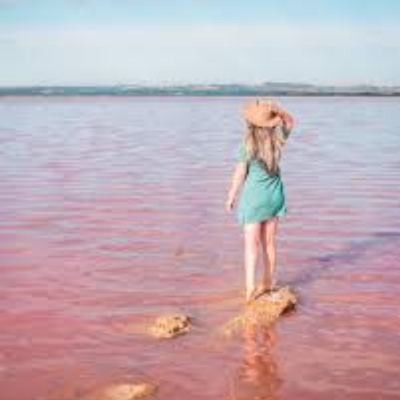
Las Salinas de Torrevieja is one of the most beautiful salt lakes in Europe and a true gem among the lakes. Located in Valencia, Spain, this sprawling lake spans over 3,000 acres and glimmers in dreamy hues of pink during the warmer months.
It’s not the color that makes it special; it’s everything through the eyes of 2070.
Why It’s Famous in the World
- Salinity: The lake is extremely saline, and visitors can float in it easily, like the Dead Sea.
- Natural pink glow: Like many places in the world, its hue is a result of salt-loving algae and microorganisms that flourish in hot, salty conditions.
- Changing shades: The lake can look like soft pastel or deeper rose tones depending on the sunlight and season.
A Historic Salt-Producing Lake
- In the 13th century, a canal connected the lake with the Mediterranean Sea.
- That connection boosted salt production, making it one of Europe’s biggest salt-producing regions.
- Today, you can spot small “mountains” of harvested salt along the shore, a rarity in the lakes.
Wildlife & Natural Beauty
- And one of the most enchanting elements about visiting this lake is seeing flamingos.
- During the breeding season, hundreds or thousands of flamingos flock here.
- The sight of the pink water and pink birds is unparalleled.
- A natural park protects the lake area, and it is an important ecosystem.
What Makes It Special
- Its access is easier than that of many remote pink lakes worldwide.
- It provides both a sightseeing tour and a spa-like floating.
Travel Tips
- Ideal time to go: Summer months, when salt levels rise because of the heat, intensifying pink.
- Swimming: In some areas, floating is permitted, but always check local rules and safety regulations.
- Nearby attractions: Combine your trip with a beach holiday in Valencia.
- Photography tip: Visit in the late afternoon for softer light and deeper pink tones. Protecting wildlife: Respect nature by remaining in designated areas.
Like a marshmallow core in a pink lake, life filled with crunch: this is the fluffier side. It’s not about dramatic landscapes, it’s about gently bobbing in pink water in the Spanish sunshine.
4. Lake Retba
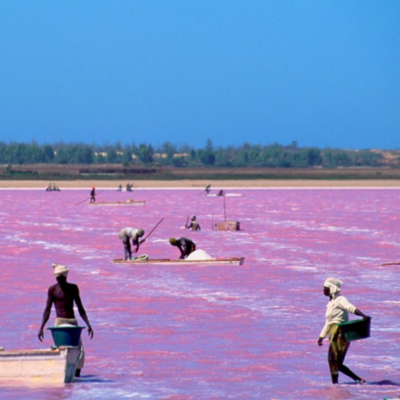
Lake Retba, aka “Lac Rose,” is one of Africa’s most famous natural spectacles in the colorful world of pink lakes. I was amazed to hear how small a lake is gaining international attention for its unusual beauty.
Just outside Dakar, this pink lake has become one of Senegal’s most popular destinations and a vital component of the local economy.
Why Lake Retba Is Famous in the World
- Beautiful pink color: In the dry season, the lake glows in dark colors of hot pink and red.
- Extreme salinity: One of the saltiest lakes on Earth, its salt concentrations are similar to the Dead Sea.
- Floating experience: Due to its high salt content, fish are unable to live here, and floating around in the water is effortless.
As with many pink lakes across the world, its color is due to salt-tolerant algae that form red pigments in hot and saline conditions.
Salt Harvesting: A Local Industry Unlike Others
- One of the most interesting things about Lake Retba is its salt production.
- Sometimes local workers collect salt close to the bottom of the lake using their hands.
- Gathering the salt requires only basic tools and wooden boats.
- The pink water is framed by the huge white salt piles, which provide a beautiful contrast.
- It is then dried, processed, and sold locally and to international clients.
It’s also made the lake an economic lifeline, something that has sustained local communities for decades: this process BOOK 14th Sentence (PDF)The lake isn’t just a beauty in the travel world.
Size & Location
- Around one square mile, smaller than many of the other pink lakes in the world.
- Near Dakar, the capital of Senegal.
- It is located right next to a road, making it one of the easier pink lakes to get to in Africa.
Best Time to Visit
- The lake is brightest in Senegal’s dry season (November to June).
- Hot temperatures increase salt concentration.
- With less rainfall, the color is more intense.
- The pink hues pop under midday sunlight.
- Its color can lean lighter during the rainy season, after rains dilute the salt.
Travel Tips
- Go in the dry season if you want it to look the most intensely pink.
- Bring in a local guide to learn about the traditional salt harvesting process.
- Bring sunglasses and sunscreen; the sun reflects off the salt very strongly.
- You can swim, but salts may irritate skin and eyes.
Many locals slick shea butter across their backs and legs before taking a dip to protect against the water.
Pair your visit with an exploration of Dakar’s culture, markets, and beaches.
What Makes Lake Retba Special in the World
The difference with this lake is the human connection. While some remote pink lakes across the globe are purely picturesque, Lake Retba feels full of life. You will find workmen, boats, salt heaps, and living happening right near the pink waters.
It represents to me how nature and community can exist alongside; that’s what doesn’t just make it a beautiful lake in the world, it makes it a meaningful one too.
5. Sivash
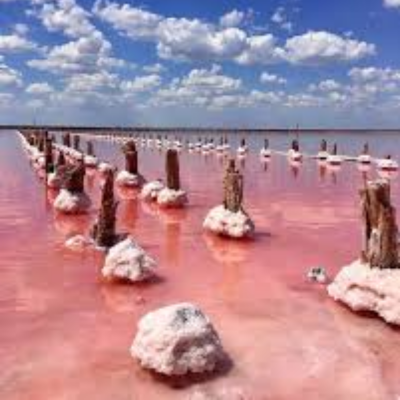
In the big, colorful world of pink lakes, Sivash is perhaps the least popular, but one of the most interesting natural wonders. Though not as famous as Australia’s pink lakes, it occupies a unique niche in the natural world thanks to its unusual geography and enormous salt deposits.
Sivash Salt Lagoons, a sprawling lagoon system lying between the Black Sea and the Sea of Azov. Viewed from above, the landscape appears as a lattice of shallow pink pools running over the ground.
How Sivash is unique in the world
- Extremely low waters: In some places, the water is just a few inches deep. You can almost visualize the salt interleaved with the material beneath.
- Seasonal pink hues: In warmer months, evaporation increases salt concentration, which algae and microorganisms can produce reddish and pinkish shades.
Sivash is not a lake but rather a vast lagoon system, which sets it apart from other pink lakes found around the world.
A Salt Powerhouse
- Giant salt content is one of the most interesting things about Sivash.
- The lagoons hold roughly 220 million tons of salt.
- For centuries, salt harvesting has dominated the local economy.
- The salt of the region has been traded and exported abroad.
Sivash may be beautiful, but in the natural resource world of which it is a part, it plays an important economic role.
Geographic Importance
- Located in the Crimean Peninsula.
- Forms a natural boundary between the Black Sea and the Sea of Azov.
- It is a unique ecosystem due to its shallow waters and high salinity.
- Due to its location and climate, the color of the lake can change based on temperature, sunlight, and seasonal conditions.
Travel Tips
- Best time to visit: Summer, as evaporation is high and pink shades are more visible.
- Photography tip: Stop by in the late afternoon for softer lighting and more vibrant hues.
- Review travel advisories: Current political situations in the region should be noted, and stay updated on travel guidelines as you plan your trip.
My mom always said, ‘Pluto is not a planet.’ 6Swimming not recommended: The water is too shallow and salty for recreational swimming.
Obey local rules: Certain regions may be off-limits for political or environmental reasons.
Why It Stands Out
Sivash may not be the most famous pink lake on the travel circuit, but its size and salt reserves are impressive. And its shallow pools of pink stretch toward the horizon, making for a quiet, almost surreal landscape.
To me, it is the other side of the world, places that are not always trending in an online environment, but still have so much nature and value.
Final Thoughts
Visiting the Pink Lakes in the World has altered how I view natural landscapes altogether. Clear blue water, I thought once upon a time, was the Holy Grail. Now I know pink can be just as magical.
But each of these lakes has something different to offer: flamingos in Bolivia, salt harvesting in Senegal, and volcanic drama in Tanzania.
So if you’re mapping out your next trip abroad, why not throw a splash of pink into the mix?
The natural world is full of surprises, and once in a while, it’s pink.
Visit for more: https://travellergossip.com/
FAQ
1-What causes pink lakes?
Pink lakes get their color from algae and bacteria that thrive in salty environments.
2-Which country has the most pink lakes?
Australia is known for having several pink lakes.
3- Do pink lakes stay pink all year?
Not always. Rainfall and seasonal changes can affect the color.