
Introduction
Olive Group’s menu at its latest Bengaluru outpost caught my eye. I’m Khushi, a travel blogger, and whenever a restaurant claims to take you on a culinary journey across cultures, I’m intrigued. Olive has always been a place of stylish spaces and strong culinary storytelling, but this time around, it felt different, more emotional, more layered, more global.
Table of Contents
ToggleAnd when Toast & Tonic shuttered last year, telling the loyal base it had to go home, Olive Group knew it was time for a refresh. That same Wood Street site has now become The Hood, a concept that combines foods and vibes from three cool-ass hoods: Kyoto in Japan, Mar Mikhael in Beirut, and San Lorenzo in Florence.
I’m a sucker for places that make me feel like I’m traveling without getting on an airplane, so I had to go. And what I found was not only a new restaurant, but a story about culture, communicated through food, drinks, design, and rituals.
The Concept: Three Neighbourhoods, One Menu
The concept behind the Hood is both simple and profound. Rather than literal interpretations of cuisines, the Olive Group homes in on a sense of neighborhood.
AD Singh, Founder and MD, Olive Group, explains that they aren’t trying to replicate Kyoto or Florence per se. Instead, they want to translate what makes those spaces feel special, their rituals, their pace, their traditions, and how people connect over food and drinks.
The restaurant is inspired by:
- The serenity and rhythm of a Kyoto teahouse in Gion
- The artful buzz of Mar Mikhael in Beirut
- The delightful street scene of San Lorenzo in Florence
All this coalesces in Bengaluru.
The Space: Warm, Lively and Global
The Hood is the 80-seater restaurant, the design for which was conceptualised by Sabina Singh, Olive’s design director. The interiors immediately transport you to some neighborhood bar somewhere in the world.
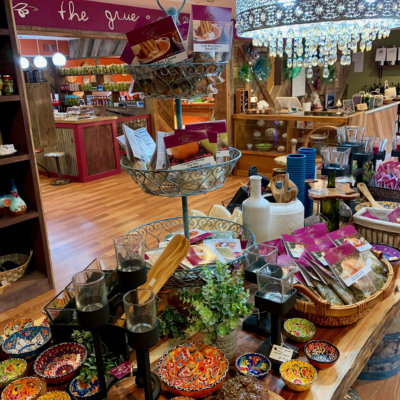
The lighting is warm. The textures are thick and rich. There are sweeping murals and maps indicating the three neighborhood inspirations. The space is lived-in, cozy, and a bit nostalgic.
A few notes that caught my eye:
- A bar, including backlit bottles and old LP records
- Shelf after shelf of curved wooden bookshelves stocked with decaying old books
- Velvet drapes in claret shades
- Exposed brick walls
- Rustic wood and masonry tiles
- A piano tucked into a counter
- Green plants add freshness
- Even the crockery has a tale.
- Kyoto-inspired plates, brown, deeply lacquered
- Florence plates in sage and green
- Blue tones of the coast are reflected in the Beirut plates
Everything feels intentional. It’s not flashy luxury. It’s stylish, warm, and welcoming.
The Drinks: Ritual-Based Cocktails
The bar program at The Hood will be directed by Irene Hebrard and Prithvi Nagpal of Spill It Consultancy. They have created six globally inspired cocktails, two from each of the neighbourhoods: Kyoto, Mar Mikhael, and San Lorenzo.
I personally found this delightful; the rule here is that each drink isn’t a cocktail but rather part of a little ritual. You’re not just drinking; you are consuming a cultural moment.
1. Japan-Inspired Drinks
The Japanese part is about cutting-edge precision, clarity, balance, and showmanship. Japan is known for its ice quality, minimalism, and detail,’’ he said. “And you definitely feel that influence at the bar.
Sipping on these drinks, the atmosphere is cool and refined. The lighting is warm without being harsh. The bar counter glows from behind with backlit bottles. It’s kind of like a modern Kyoto cocktail bar where you can take your seat.
Ginza Tiger
AD Singh’s own favorite, so of course, I had to try this.
What’s inside:
- Miso-clarified whiskey
- Sesame
- Kokuto sugar
- Coffee liqueur
The first sip surprised me. It’s mildly sweet, but beneath that sweetness lies a deep umami flavor from the miso. It’s smooth and layered, with a slight nuttiness.
The Ritual:
- It comes with togarashi popcorn. It’s simple in principle: take a sip of the cocktail, eat the popcorn. The spice and salt give it extra flavor.
Ambience Feel:
- This drink, in the moment, feels elegant and considered. It’s not loud or flashy. It’s elegant.
Price Range:
- Cocktails here range around ₹600–₹800 + taxes (premium category for Bangalore). If you think about the elements and the concept, it seems to make sense.
Midnight at an Osaka Pickle Bar
This one is lighter, fresher.
What’s inside:
- Gin base
- Apple notes
- Pear pickle tang
It’s crisp, clean, and refreshing. There’s some secret sweetness to that drink that makes it go down really easily.
The Ritual:
- Edamame served upon serving. Again, sip and bite. The edamame’s saltiness offsets the fresh acidity of the cocktail.
Ambience Feel:
- This is a cocktail that really fits in well with the restaurant’s cosy and modern feel. It sounds like something you would want to serve on a relaxed night of wine, friends, and long conversations.
2. Beirut-Inspired Drinks
If the Japanese cocktails at The Hood are precise and polished, the Beirut-inspired drinks are emotional, multi-layered, and expressive. An homage to Mar Mikhael, “ Beirut’s creative and nightlife hub,” this part of the bar menu is warm, rich, and a bit dramatic.
The atmosphere you take in while sipping these drinks is high energy but also intimate. The warm atmosphere with its’ exposed brick walls and dark-hued décor perfectly complements the flavours of the Middle East. There’s a warm, cozy charm in the air, like being at a neighbourhood bar clustered with stories.
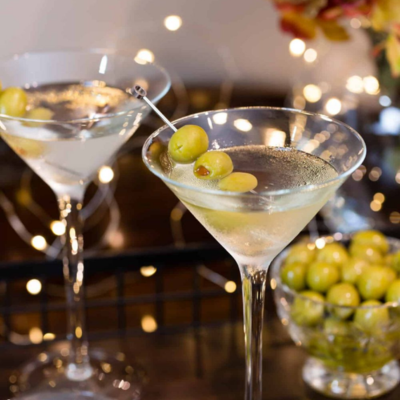
The Olive Thief
I was very intrigued by this one as soon as I set eyes on it.
It’s billed as a Mediterranean martini, but it’s so much more than that.
What’s Inside:
- Vodka
- Curd (for creamy texture)
- Fresh lemon
- Olive
- Parsley
The texture is also very supple, and on the light side of medium, as well, there’s a slight velvety cast from the curd. The lemon cuts all that with its freshness, the olive and parsley lend depth of savoury, herbaceous tang.
The Ritual:
Three drops of olive oil are added to the drink before your first gallon. These drops symbolise:
- Love
- Possession
- Respect
I thought this was such a nice ritual. It’s easy to make, but it will draw you in emotionally to the drink. It causes you to hesitate before taking a sip.
Taste Experience:
- It’s creamy yet fresh. Savoury but balanced. If you’re a fan of martinis with an edge, this one tastes interesting without jumping in your face.
Ambience Pairing:
- It’s the kind of cocktail I’d order when sitting down for a leisurely chat in the evening. It feels grown-up and a little artistic, the right fit for a slow night at The Hood’s glowing, beery bar.
A Dance of the Beirut Bandit
This cocktail is a completely different thing, warm and comforting and almost dessert-y.
Inspired by sahlab, a traditional Middle Eastern winter drink that warms Bengaluru’s cooler evenings.
What’s Inside:
- Rum
- Warm coconut
- Sesame
- Saffron milk
- Vanilla
- Cinnamon-orange foam
- Saffron dust and crushed nuts
- It’s luxurious, fragrant, and a little bit naughty.
Taste Experience:
- The first sip feels comforting. The saffron and sesame offer depth; the rum, warmth. The layer of cinnamon-orange foam on top contributes a mild sweetness and spice.
- It really does feel like a holiday beverage, the kind you sip and savor.
Ambience Pairing:
- This cocktail pairs beautifully with The Hood’s cozy environs, velvet drapes, reclaimed timber, and ambient lighting. It feels like you’re being nestled inside a Middle Eastern lounge, and conversations run on forever.
Price & Value:
- Yet again, in the ₹700–₹850 range, and this cocktail feels value for money because of its layers of ingredients settled in a warm mode of preparation. It is not a basic bar drink; it’s something that’s crafted and story-driven.
3. Italy-Inspired Drinks
If the Japanese drinks at The Hood feel precise and the Beirut section feels warm and soulful, the Italy-inspired cocktails feel lively, social, and full of character.
Lemon Grove Sunset Hour
One sip of this drink and you’re on the Amalfi Coast.
What’s Inside:
- Amalfi lemon-inspired flavours
- Lemon liqueur
- Sparkling prosecco
- Fresh citrus oils
- Garnished with Italian lemon peel
Taste Experience:
- Bright and refreshing on the first sip. The citrus comes at you softly, not sharply. (Prosecco lends light bubbles and a touch of elegance. It’s clean, cool, just right for early evenings.
- It is not rich or even at all precious; it’s just what you would hope a drink for an Italian sunset to be.
Ambience Pairing:
- This is the perfect cocktail to drink while you’re lounging by a warm, glowing bar, catching up with friends, or enjoying a laid-back date night. It’s got that golden-hour feeling, bright and airy and happy.
Who Will Enjoy This:
- If you like spritz-style drinks
- If you enjoy citrus-forward cocktails
- If you’re sticking to lighter options with a lower alcohol percentage
- This one is easy and elegant, as well as very approachable.
2. The Coffee: A Cultural Experience
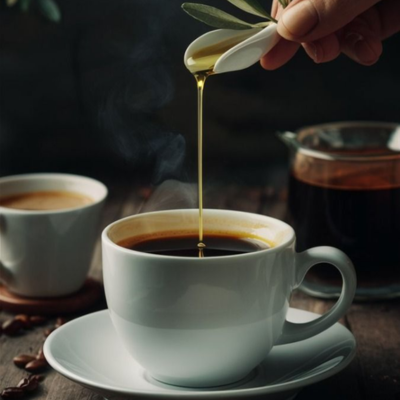
When we talk about the Olive Group menu at The Hood, it’s easy to focus only on the cocktails and small plates. But what truly impressed me was the coffee program. At The Hood, coffee is not an afterthought; it is an important chapter of the Olive Group menu experience.
The coffee program is designed by Stephen Holl using Araku Coffee blends, known for their quality and flavour depth. Stephen brings global exposure to the table, and you can feel that influence in every cup.
Here, coffee is not just something you order after a meal. It’s presented with the same storytelling approach that defines the entire Olive Group menu.
A Coffee Menu Inspired by Three Cultures
And, just as it does via the food and drinks, Kyoto, Beirut, and Florence appear on the Olive Group menu in its coffee offerings.
1-Florentine-style espresso:
- Lebanese qahwa
- Japanese matcha
- Both are grounded in ritual and tradition.
IN ITALY, COFFEE is fast, strong, and social. And that’s the philosophy, followed by the Florentine-style espresso on the Olive Group menu.
It’s bold, it’s concentrated, and it’s served with a great deal of confidence. First comes the aroma, , deep, roasted, and faintly nutty. The crema on top is silky and creamy.
Great when you want the accepted-since-the-DLM-but-not-as-emphasized game. It’s like standing at an espresso bar in Florence, sipping fast and then going back out into town.
The energy of sipping this feels very European. Warm lighting, rustic decor, hushed music, the tone is set.
2-Lebanese Qahwa:
- The Lebanese Qahwa on the Olive Group menu is not your average coffee order. It is not rushed, not loud, and it’s not overstyled. Slow, fragrant, and deeply soothing.
- This isn’t just caffeine, it’s culture in a cup.
What Makes It Special:
- The Lebanese qahwa is usually brewed strong and flavored with warm spices such as cardamom. The scent hits first, before the opening sip. It’s earthy, mildly bitter, delicately spiced, and perfectly balanced.
- Unlike espresso drinks, this is a coffee to savor.
- It is the sort of thing that seems meant to be nibbled at over sustained dialogues, the kind for which time is irrelevant.
Presentation & Serving Style:
- From Olive Group’s menu, served in a home-style manner as per Middle Eastern tradition. The presentation is pretty but unadorned, no frou-frou decoration, no modern touches to distract from authenticity.
- The subdued styling is a mark of respect for tradition.
- It’s often served with a sweet attendant bite which helps to offset the powerful flavour, and complements the overall experience.
Price Range:
- On the Olive Group menu, Lebanese Qahwa costs around ₹250–₹350 + taxes, positioning it among the most affordable and culturally interesting of its coffee offerings.
3-Japanese Matcha:
This was hands down one of my top favourites from the whole Olive Group menu.
For here, matcha isn’t served; it’s performed.
The Ritual at the Table:
Then, instead of being greeted with a pre-made cup from the counter, it’s prepared into existence in front of you by the barista.
First, you see the vibrant green matcha powder carefully measured out precisely. The attention to detail makes it patently clear it is not casual.
Then slightly warm (but not to boiling) water is added, at the right temperature to keep subtle tea notes safe.
The bamboo whisk starts circulating, only this time with a bit more controlled movement. Back and forth. Fast but graceful.
- It’s amazing how, in a few seconds, there is a smooth frothy surface.
- It adds drama, but not in a shouty, flashy way.
- It’s quiet drama.
- Mindful drama.
- Ceremonial drama.
- It all slows down while it does.
The Ambience:
In the warm, thoughtfully appointed setting of Olive Group with its layered lighting and intimate seating, this matcha ritual feels like an inspired natural companion to the ambiance.
You genuinely forget you are in Bengaluru, if just for a second.
It is as if you’ve somehow wandered into a minimalist teahouse in Kyoto; nothing looks rushed here, everything is considered.
- This is not just a drink coming to your table.
- It’s a pause in your evening.
- Taste Profile
- The flavour is:
- Earthy
- Slightly bitter
- Clean and grassy
- Fine, soft foam smooths into moist hair
- It isn’t sweet, which matters.
On the Olive Group’s menu, they pay homage to traditional matcha. You can ask for sweetness if you like. But if it is unsweetened, you’re forced to confront the tea itself, a rich, robust blanket of flavors.
The finish is so invigorating, it’s almost meditative.
Price Range:
- The Olive Group’s Japanese Matcha costs around ₹350–₹450 + taxes for different variants and add-ons.
3. The Food: Small Plates, Big Stories
The menu is divided into three sections: Italian, Japanese, and Lebanese. Each region has six vegetarian and six non-vegetarian small plates, plus two desserts.
Chef Dhruv Oberoi leads the kitchen. He trained under strict Japanese chefs and clearly loves Japanese cuisine.
1-Japanese Section:
The Japanese part of the Olive Group menu was where one struggled less. Clean flavors, knife-edged presentation, and dishes that spin as much on technique as pageantry.
The plating here is spare, muted ceramics, thoughtful garnishes, careful portioning. It reflects the general mood (warm lighting, quiet elegance), a careful attention to detail that seems deliberate, not showy.
Toro Temaki:
- Construction: Crisp nori cones brimming with fresh tuna sashimi and bonito mayo.
- That nori had that perfect snap when you bit into it. The tuna was buttery and fresh, the bonito mayo lending a savoury complexity without veiling the fish.
- That’s it, quite well presented and around ₹650-₹850+ taxes.
- The good: It feels light, luxurious, and a great one to start with.
2-Italian Section:
The Italian section, on the menu’s Olive Group side, takes its inspiration from San Lorenzo in Florence; it emphasizes cichetti, small plates meant for sharing.
The ambience naturally shifts here. The energy feels more social. Plates hit the table, and you’re raising your voice. It’s fun, colorful, and very European.
- Burrata with Mango & Fennel Taralli
- Creamy burrata with sweet mango and crunchy fennel taralli.
- The combination was surprisingly refreshing. The mango’s sweetness complements the richness of the cheese, and the taralli adds texture.
- Priced approximately ₹750–₹950 + taxes.
- It is fresh, summery and light, ideal for the evenings.
- Pan-Smoked Squid with Basil & Ciabatta
- Comforting and beautifully balanced.
The squid was tender, modestly smoky, and complemented by fresh basil. The ciabatta really takes on the flavours so well.
This dish is available on the Olive Group menu at approx ₹850–₹1,050 + taxes.
The flavors are robust but not heavy. Italian, but modern.
In all, the Italian section is casual and informal in its expression. It’s about sharing, sipping, and lingering at the table longer than you meant to.
3-Lebanese Section:
Whereas the Japanese section is minimalist, and the Italian part is social, the Lebanese section is soulful and generous.
The flavours here are more embracing, deeper, and more luxurious. The ambiance around it is lovely, with soft lighting, layered textures, and dishes to pass around.
Bone Marrow:
- Torched and bubbling when it arrived.
- We swapped it onto warm nigella seed kuboos, topped with chilli shatta, and I’m not going to pretend otherwise, it was dirty in the best possible way.
- Smoky, rich, slightly spicy.
- Priced approximately ₹850–₹1,050 + taxes.
- This is not a light starter. It’s bold and comforting.
Laban Immo (Main Course):
- Goat neck gently braised with Baharat-spiced milk sauce, and couscous alongside.
- The meat was very tender — you could almost kill it with a spoon. The Baharat milk sauce was silky, fragrant and profoundly soothing.
- This dish had the comfort feel of a home-cooked meal but done up in restaurant dignity.
- Priced approximately ₹1,250–₹1,550 + taxes.
- It’s hearty, rich, and filling, slow-dinner material.
The ambience brings it all home, the warm russet shades, the quirky vintage LP installations (a nod to owner Houston Eaves’ first in-town venture), and the thoughtful lighting that makes you feel like you’re somewhere both premium and welcoming.
It is priced in the range that relegates it to the high-end dining order of Bengaluru, though with good quality, techniques, and experience around it.
Final Thoughts
Traditional authenticity is not on the Olive Brands menu at The Öod. It’s about storytelling.
It’s about capturing the spirit of neighborhoods and feeding it through food and drink experiences.
I appreciated:
- The thoughtful design
- The ritual-based drinks
- The balance of flavours
- The interactive part of coffee and dessert
- This is a very fresh concept for Bengaluru’s F&B scene.
- If you’re someone who enjoys:
- Small plates
- Cultural storytelling
- Global flavours
- Stylish ambience
Then, the Hood is worth a visit.
- Is it bold? Yes.
- Is it slightly premium? Yes.
- Is it interesting? Absolutely.
Visit for more: https://travellergossip.com/
FAQ: About Olive Group Menu
1-Where is The Hood located?
Wood Street, Ashok Nagar, Bengaluru.
2-What cuisines are served?
Japanese, Italian, and Lebanese-inspired small plates.
3-What is the cost for two?
Approximately ₹2000 + taxes.
4-Do they have vegetarian options?
Yes. Each region offers multiple vegetarian dishes.