
Introduction
The best quiet parks in the U.S. have always inspired me whenever I crave silence, open landscapes, and a break from busy city life. America’s national parks have an international reputation, but I’ve discovered that even in the most popular destinations, you can find peaceful corners.
Table of Contents
ToggleIn the years since, I’ve ventured to some of the country’s most beautiful spots, from Yellowstone National Park’s geysers to Zion National Park’s soaring cliffs, and what I learned was that timing, planning, and knowing where to visit can make all the difference.
This guide is a culmination of my experience making it to five amazing parks without getting bogged down by the crowds, so that I could actually chill. If you are looking for the best quiet parks and U.S. nature escapes, these locations belong on your travel radar.
Why Should You Visit Quiet Parks in the U.S.?
When I visit quiet parks in the U.S., I feel as if I am entering an entirely different world, a world where life moves more slowly, where the rush of deadlines and distractions fades away, and where nature gently takes control.
The minute I start walking on a serene trail, I feel the shift. The air feels fresher, the sounds feel gentler and my mind slowly begins to hush in a way that never happens during daily life.
But these serene landscapes, with their space and quietness, are the farthest thing from the packed streets and honking traffic (and obnoxious attractions) you’re used to. Room to breathe, deeply and without in a rush. Room to think clearly without interruption. Space to exist without pressure. You are surrounded by trees, mountains, deserts or open skies and feel grounded and present. The quiet makes it so that I can slower my thoughts, notice the
1. Yellowstone National Park, Wyoming
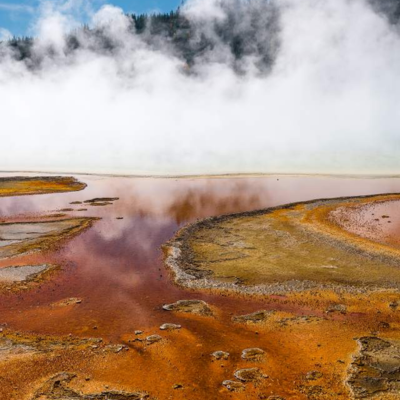
When I visited Yellowstone National Park, I truly thought the whole lot was packed. It’s one of the most famous national parks in America, so I figured peace would be out of the question. And yes, it was busy at some popular places. But what truly astonished me was how easy it proved to find corners of peace, hushed and serene, when I planned.
Yellowstone is perhaps the place with the most enduring American legacy, being our history’s first national park in the United States. The park spans vast lands of geysers, hot springs, rivers, waterfalls, forests, and valleys. It contains half of the world’s geysers, including the famous Old Faithful. But despite its popularity, I soon understood why it deserves a spot on the list of best quiet parks that U.S. travelers can explore, because peaceful moments really do exist here.
How I Found Quiet in Yellowstone
My Day Started Before the Sun Rose
Rather than going to Old Faithful in the midst of heavy mid-day traffic, I got there just after dawn. The difference was incredible.
- The air felt fresh and cool.
- A heat haze rose from the ground.
- The viewing area was quiet and wide open.
Seeing Old Faithful blow without noise or crowded seating felt powerful, even intimate. Awake by 6 a.m. and overhauled my experience.
- I Went Off the Beaten Path
Most tourists flock exclusively to the most iconic sites. I decided to dig a little deeper into the Upper Geyser Basin.
- Riverside Geyser had fewer visitors.
- Castle Geyser provided a less crowded viewing spot.
- The smaller thermal attractions were nearly devoid of crowds.
Just by walking a bit farther than the average person, I came across tranquil boardwalks where I could stop, watch, and take pictures without being hurried along.
I Visited During the Off-Season
- Yellowstone in winter was a hidden-in-plain-sight secret. The trees and ground had snow, making a white, quiet landscape. Many regular-vehicle roads would be closed, which naturally limited crowds.
During winter, I experienced:
- Snowshoeing in near silence
- Wildlife tracking in fresh snow
- Calm geothermal steam hisses into the cold air
- The stillness felt almost spiritual. It was one of the most peaceful national park experiences I have had.
Things I Love That Make Me Chill In Yellowstone
Here are the experiences that enabled me to actually find joy in Yellowstone as one of America’s so-called quiet parks, U.S. destinations:
- Early Morning Wildlife Watching
- I saw bison and elk in Hayden Valley when few cars were on the road.
- Boardwalk Walks Through Thermal Areas
Slow travel through geothermal zones enabled me to appreciate the colors and patterns of hot springs.
- Scenic Drives at Dusk
- Evenings brought gentler light and less traffic.
- Winter Snowshoeing and Cross-Country skiing
- These activities led me into quiet landscapes.
- Exploring Lesser-Known Trails
- Short hikes away from crowds of cars yielded surprising solitude.
- Why Yellowstone Belongs on the Best Quiet Parks, U.S.
So many assume that Yellowstone is packed all the time, but my experience said otherwise. The park is enormous, capable of swallowing millions of visitors while still providing hidden reminders that you are in a world away from the bustle.
What’s unique about it is the balance:
- Dramatic geothermal features
- Incredible wildlife
- Wide-open valleys
- Seasonal quietness
If you do it right, come early, see past the tourist hellscapes and visit in winter, however, Yellowstone goes from a popular park to one of the true great quiet parks, U.S. nature lovers can experience.
2. Grand Teton National Park, Wyoming
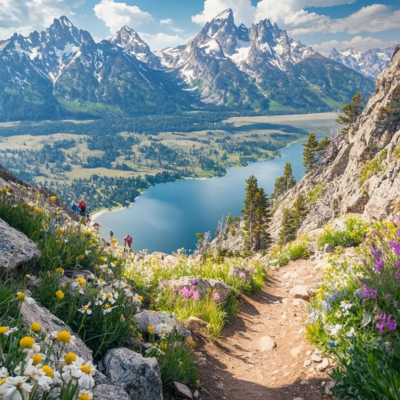
Just south of Yellowstone National Park lies Grand Teton National Park, and I almost made the mistake of skipping it on my first trip. I assumed it would feel similar to Yellowstone, busy, structured, and full of tour groups. Thankfully, I decided to visit. What I discovered was one of the most peaceful landscapes I’ve ever experienced, easily earning its place among the best quiet parks in the U.S.
The moment I saw the sharp peaks of the Teton Range rising dramatically from the valley floor, I understood why this park feels so special. The mountains appear bold and rugged, yet the surrounding lakes and open meadows create a calming balance. The scenery feels raw, open, and untouched. Even though millions visit every year, the park somehow feels quieter and more spacious than many other popular destinations.
Why Grand Teton Felt So Peaceful
Sunrise Changed Everything
- I had gone into the park just after sunrise, and that made all the difference.
- Golden light gradually grazed the mountain tops.
- The air felt cool and fresh.
- Roads were nearly empty.
- The lakes mirrored the mountains like glass.
Most visitors I saw arrived mid-morning, so the early hours felt quiet and nearly private. Seeing the first light hit the Tetons, standing in silence, was something I will never forget. That’s why I consider it one of the best quiet parks in the U.S.
Condition: Trained on data until October 2023.
Instead, one of my favorite low-key hikes was in Lunch Tree Hill by Jackson Lake Lodge.
- The trail was short and easy.
- It was less than an hour round trip.
- The overlook featured expansive vistas of majestic mountains.
- There were hardly any other hikers on the trail.
At times, solitude is a short hike away. The most rewarding hikes can be those that are simple and lesser known.
Quiet Moments Along Snake River
Another favorite thing was spending time along the Snake River. Instead of racing through the views, I took my time.
Here’s what I experienced:
- Elk eerily grazing in the distance
- Moose near marshy areas
- Birds flying just above the water
- Soft river sounds; little noise
Fishing sites and secret stretches of river felt tranquil and unvisited. It dawned on me: Slowing down is how you truly experience the best quiet parks in the U.S.
Early Spring and Late Fall: The Best Time to Visit for Smaller Crowds
Timing is everything in the search for inner peace. From my visits, these periods felt the most tranquil:
- Mid-May to Mid-June: Enjoyable weather and moderate crowds
- Middle of September: Fewer tourists after the busy summer season
- Early mornings: Gentle light and silent roads
- Evening before sunset: Peaceful vibe and gorgeous colours
The park felt much more peaceful by getting there before the peak midday hours.
Why Grand Teton Is One of the Best Quiet Parks in the U.S.
Grand Teton stands out because:
- The land seems wide and clear.
- They cover a large land area with trails.
- Wildlife viewing opportunities abound off the beaten path.
- Sunrise and sunset experiences are intimate and uncrowded.
It feels like a mellower, more contemplative destination, even though it’s immediately next to Yellowstone.
Grand Teton also taught me that sometimes, the best quiet parks in the U.S. are those right alongside the country’s most famous destinations. You just need to step back a tiny bit away from the obvious viewpoints, make sure you arrive early and let yourself slow down.
3. Zion National Park, Utah
The red cliffs of Zion National Park appear bold, dramatic, and powerful. When I first came across photos of Zion, I believed it would always have tourists. It is one of the most iconic national parks in the U.S., after all. But when I went with careful planning, I found that Zion can be tranquil, too.
Zion’s giant sandstone cliffs, deep, narrow canyons, and green hanging gardens make it one of the most beautiful parks in the U.S., and the red rock against blue sky is an unforgettable sight. But the secret to visiting Zion as one of the quieter parks in America is timing and preparation.
How I Avoided the Crowds in Zion
I Started My Day at Sunrise
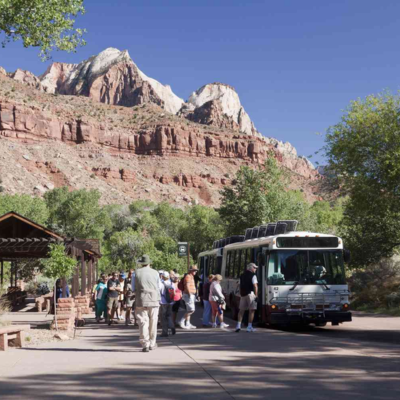
Most of the year, Zion runs a shuttle system. And many tourists rely on it, particularly in busy seasons. As the day continues, shuttle stops become crowded and wait times grow.
To avoid this,
- Went to park really early
- Boarded one of the first shuttles
- Hiked before most visitors showed up
The canyon walls were stunning as they caught the early morning light. The red rocks were softly aglow, and the trails were quiet. The near silence made the experience so much more enjoyable.
- I Went in a Less Popular Month
- I chose to visit in November.
- Why November worked well:
- Cooler and more comfortable temperatures
- Fewer tourists compared to summer
- Easier parking
- Shorter shuttle lines
Parts of The Narrows were almost dreamlike to hike during this time. Rather than large groups of hikers, I encountered only a few. The flow of water through the canyon was sweet and pure.
Activities I Enjoyed in Zion
Here are a few of the simple yet unforgettable experiences I had:
- Early Morning Hikes
- The soft sunlight and quiet trails lent calm to everything.
- Hidden Canyon Trail
- Steep paths up the mountain with gorgeous scenery.
- Watchman Trail at Sunrise
- Best one, which is less crowded in the early hours.
Quiet Scenic Drives
So driving around the park before noon helped me pause and take in some views without other people, for a while at least.
How Zion Can Be at Peace in America
As one of the most visited parks in the U.S., Zion is sure to be crowded, but it can still provide moments of solitude, if you:
Visit during the shoulder seasons
- Start your day early
- Avoid peak afternoon hours
- Choose lesser-known trails
Flexibility makes a huge difference. At the right time, Zion becomes not only dramatic and exciting but calm and relaxing as well.
4. Yosemite National Park, California
Yosemite National Park is known worldwide for its soaring waterfalls, looming granite cliffs and mammoth sequoia trees. Before my visit, I was concerned that it would be too crowded to enjoy. Being one of the most loved parks in the U.S., I imagined noise and cues everywhere.
But after I ventured outside of the major tourist attractions, I found quiet corners that transformed my visit entirely.
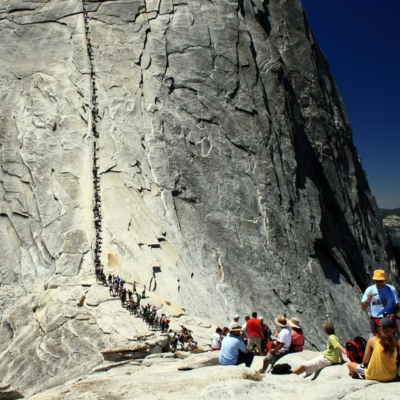
We’ll, major landmarks like Half Dome and Yosemite Valley draw large crowds. But Yosemite is a very big park.
My Hidden Gem: Hetch Hetchy
One of the absolute quietest of the remote corners I found was Hetch Hetchy, in northwest Yosemite.
When I visited Hetch Hetchy, it was a world away from Yosemite Valley.
Here’s why it felt so quiet:
- Tourists are far less common in this area
- Parking was easier to find
- Trails were open and uncrowded
- The vibe was kinda chill and relaxed
- Spring was a perfect time to visit.
During spring:
- Waterfalls were roaring and flowing nicely
- Temperatures were cool and comfortable
- Hiking trails were more manageable
- Wildflowers painted color into the scenery
As I hiked the trails, I heard birds, wind, and water, not crowds. It felt peaceful and refreshing.
What Made Yosemite Special to Me
And while Yosemite is not one of the most visited parks in America, I found many moments of solitude and quiet.
Here are some of my favorite peaceful moments:
- Ancient Giant Sequoia Forests
- Standing among the giant sequoia trees was unforgettable.
- The trees are towering and centuries old.
- The air in the forest is cool and shady.
- In these groves, there is a natural silence.
Strolling among these giants in almost complete silence was one of the most soothing moments of my travels.
Lakefront Homes Away from Busy Streets
- I went to lakes that weren’t near large parking lots.
- Fewer people gathered there.
- The water reflected the mountains clearly.
- The atmosphere seemed serene and untroubled.
- Early Morning Waterfall Views
- Going to waterfalls earlier in the morning made a big difference as well.
- Fewer visitors were around.
- The falls glowed in the slanting morning light.
- I could take pictures at my leisure.
- Sunset Photography Without Heavy Crowds
- I also prefer quieter spots for sunset instead of the busiest areas.
- The sky changed colors beautifully.
- The valley began to settle into quiet as day visitors departed.
- The atmosphere was relaxed and calm.
- What I Learned About Yosemite
Yosemite showed me that even some of the most famous parks in the U.S. can still hold peace if you plan wisely.
To enjoy a quieter visit:
- Arrive early in the morning
- Visit during spring or fall
- Explore areas beyond Yosemite Valley
- Consider less-traveled trails
Yosemite taught me that even when places are popular, they aren’t always loud. There exists hidden calm if you seek it. That is why I think it really deserves to be among the best quiet parks and U.S. travel experiences
5. Saguaro National Park, Arizona
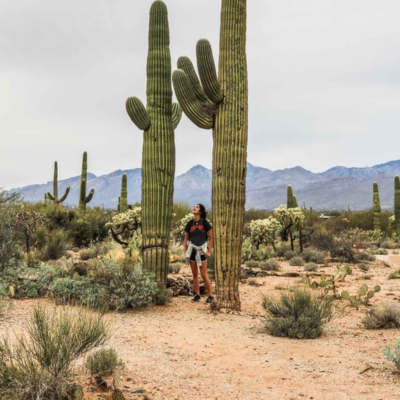
To see a truly different sort of landscape in the U.S., head to Saguaro National Park, which offers something very special. Instead of mountains, waterfalls, or forests, this park greets you with desert beauty, an expansive sky, and a tranquility that seems infinite.
Giant Saguaro National Park, this roughly 140,000-acre site preserves the giant saguaro cactus, one of the most iconic symbols of the American West. These towering cactuses can reach over 40 feet in height and live for more than 100 years. Their silhouette against a brilliant blue sky is the quintessential image of the desert Southwest in the U.S.
Split into two sections flanking Tucson, Ariz.
- Rincon Mountain District (East)
- Tucson Mountain District (West)
This arrangement allows easy access to further areas without a sense of being overwhelmed. All three sections offer scenic drives, hiking trails, and stunning desert views.
Why It Felt So Quiet
It has a naturally peaceful vibe compared with so many larger U.S. national parks. The desert environment itself prevents things from being very hot.
Summer Heat Reduces Crowds
In summer, desert temperatures are extremely high. Because of this:
- Peak heat, fewer tourists են
- Trails are less crowded
- Scenic drives seem confined and desolate
Although the heat can be fierce, and I certainly felt it, my experience was nice and quiet when visiting early in the morning or later in the afternoon.
- Peaceful Early Mornings and Evenings
- The most beautiful hours in the desert are cooler.
In the early morning:
- The clouds fill with soft pinks and oranges
- The air feels fresh
- Wildlife becomes more active
- Trails are almost empty
In the late afternoon:
- Sunset over the mountains
- The cactus silhouettes look dramatic
- The calm, golden, shimmering atmosphere
The hours of solitude rendered Saguaro one of the most tranquil U.S. parks I’ve ever visited.
Winter Brings Mild Weather
Winter is the peak visiting season as temperatures are mild and pleasant. Even then:
- It doesn’t feel as crowded as big parks in the U.S.
- There is plenty of open space
- Trails rarely feel packed
- Because the desert terrain is so vast and exposed, it never seems crowded.
My Favorite Experiences in Saguaro
Here are the best bits that made it a memorable trip for me:
Walking Between Tall Cacti at Sunset
Strolling with the sun sinking behind tall saguaro rows had a spellbinding effect. The sky changed colors, and long shadows filled the desert floor.
Stargazing in Total Silence
- The desert is very quiet at night.
- No city lights nearby
- Clear, dark skies
- Stars are bright at the end of the horizon
The silence beneath the stars brought both a sense of peace and power.
Scenic Desert Drives
Both park districts have scenic drives on which I can:
- Stop at viewpoints without crowds
- Take photos peacefully
- Enjoy mountain and cactus views
Short, Peaceful Hikes
Most trails are manageable and relatively straightforward.
- Desert Discovery Trail
- Valley View Overlook Trail
- Nature corridors near visitor centers
These experiences allowed me to spend time in lesser-known desert landscapes without long or strenuous approaches.
There is a particular peace in the desert. Unlike forests or mountains, the beauty here seems spread out and endless. There is a gentle rustling sound as the wind passes through cactus arms. Now, birds call once in a while; the quiet overall feels deep and natural
Final Thoughts
My explorations of the best quiet parks and U.S. landscapes have proven that peaceful travel is possible, even in world-class places. It is all about timing, flexibility, and the choice of lesser-known trails or areas within individual parks.
This is what worked best for me:
- Go early or go later in the day
- Travel during shoulder seasons
- Explore less popular trails
- Be open to winter visits
- Step away from main attractions
The outdoors is a strong re-accessor for energy and clarity. At Yellowstone, watching steam rise, in Grand Teton admiring mountain reflections, hiking red cliffs in Zion, or walking under giant sequoias at Yosemite, even stargazing in Saguaro, I felt the depth of my connection to the land.
If you’re plotting your next nature getaway, consider these destinations. They are, indeed, the best quiet parks and U.S. retreats for restorative time with a lot of planning.
Visit for more: https://travellergossip.com/
FAQ
1-When is the best time to visit U.S. national parks for fewer crowds?
The best time is usually during shoulder seasons (spring and fall). Early mornings and late evenings are also quieter.
2- Are winter visits worth it?
Yes. Parks like Yellowstone become peaceful winter wonderlands with far fewer visitors.
3-How can I avoid crowds in popular parks?
Arrive early, hike less popular trails, and avoid peak holiday weekends