
Introduction
Hot springs are my favorite winter escape when the cold air starts to bite, and the mountains turn misty and quiet. Relaxation comes naturally to me the moment I step into naturally warm, mineral-rich water while the world around me feels crisp and frozen. This is such a simple act, and something about it feels really grounding, like my mind and body just relax in unison.
Table of Contents
ToggleRather than going to a teeming hill station or tourist town, I like to visit hot springs in the winter. The hot steam rising into the cold air, the soft sound of surrounding rivers, and the quiet. The perfect place to decelerate! India is bestowed with many natural hot springs, mainly in the Himalayan region and the North East. Each of them provides not only warmth but also healing practices, natural beauty, and a real sense of peace and relaxation.
Why I Love Visiting Hot Springs in Winter?
But before I tell you where, let me justify why winter is the best time for hot springs.
- The difference between cold air and warm water is also great for relaxation.
- The sight of steam rising into the mountain air is magical.
- The skies, of course, are clearer in winter, so the views also may be better.
- Tourist crowds tend to be lighter, especially when compared with the height of summer.
- The heat can also help soothe joint stiffness and body aches.
- For me, winter hot springs soaking is basically nature’s dreamy spa treatment.
1. Manikaran Hot Springs, Himachal Pradesh
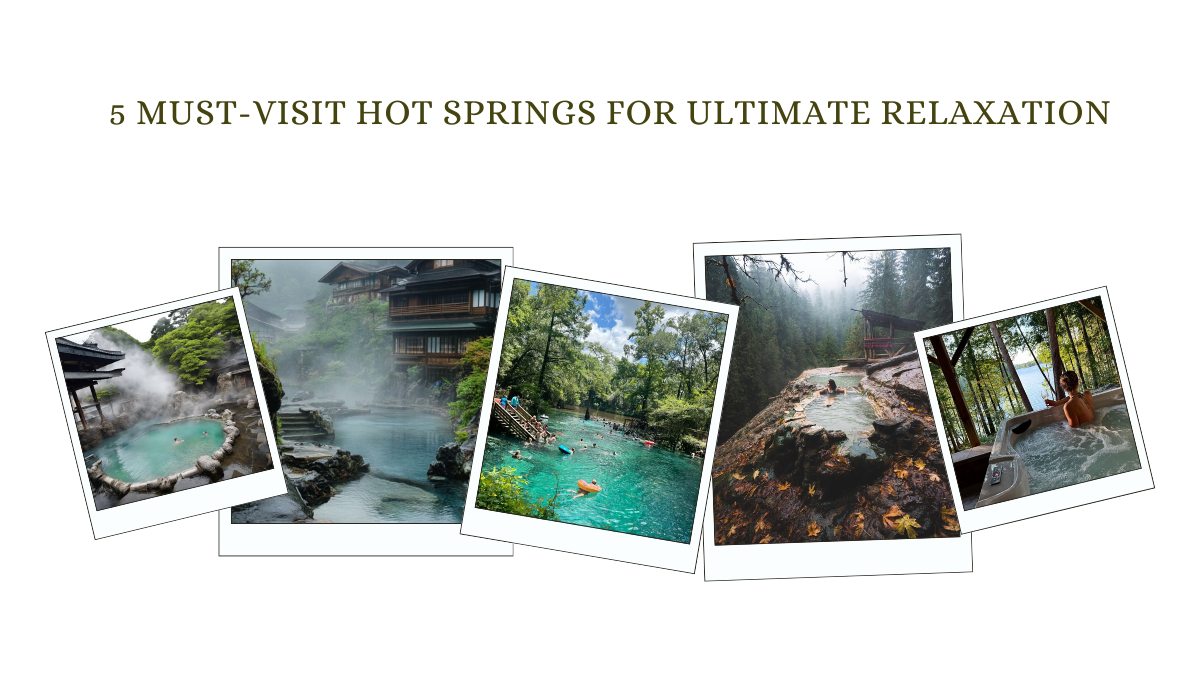
Situated in the stunning Parvati Valley close to Kasol, Manikaran is one of India’s most well-known hot spring destinations. Towering Himalayan mountains surround you, with the powerful, yet tranquil Parvati River rushing right next to you. For me it’s not just a travel destination, it is a total spiritual (and natural) relaxation experience.
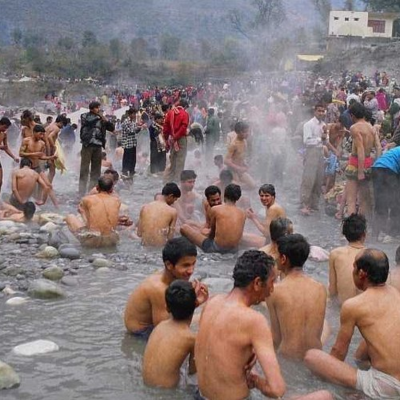
And the first time I went, I could see steam coming from the hot springs for more than a kilometer before we reached the main bathing area. The warm water naturally flows from the ground and is collected in bathing pools around the Gurudwara and temples.
What Makes It Special?
1-A Spiritual Setting:
The hot springs are situated adjacent to the temples and the sacred Gurudwara. This creates a peaceful, respectful feel for the entire place. And many of those who visit are here not just for rest, but to seek prayer and blessing. The melodious tune of a hymn from the Gurudwara, with the gushing of the river in harmony together forms a very serene ambiance.
2-Natural Healing Waters:
The water in these thermal springs is reputed to have healing properties. It cures joint pains, skin conditions, and body aches, say the locals. After a long journey through the mountains, it feels like instant relief to dip your toes in the warm, mineral-rich water. Within a few minutes, my muscles felt like they’d been napping.
3-A Unique Mountain Experience:
The location itself is stunning. Snow-topped mountains in winter, pure mountain air, and the tumultuous Parvati River combine to make your experience here one you will never forget. As I entered the hot springs, the cold mountain air on my face, and the warm water touching my body.
My Personal Experience:
Soaking in the hot water as a cold wind descended from the mountains, I gradually melted away. The water was initially hot and prickly, but my body soon acclimated. The warmth filled me, driving away the weariness of travel. The steam had cast a gentle mist over the bathing area; it made everything seem peaceful and a bit dreamy.
Sitting there, I heard the sound of the Parvati River at some distance. And the harmony of that natural music plus warm water in the hot springs made me feel a kind of peace that’s hard for me to find in a city with all its busy noise.
How to Reach:
Kullu, Himachal Pradesh, is approximately 85 km from Manikaran. Bhuntar Airport is the closest airport. From here, I boarded a taxi to Kasol and then onto Manikaran. You can also easily go to Kullu by ordinary buses. Regular run-of-the-mill buses also travel from Kullu to Kasol and Manikaran, so it’s easy to reach the place.
The road ride to Furnace Creek is also scenic, with mountains, river valleys, and small villages along the way.
What I Love to Do Here:
- Explore the Gurudwara and sit inside for a while in solitude.
- Visit the community kitchen (Langar), where food is served to all as simple and wholesome meals.
- Take a walk along the Parvati River and breathe in the mountain air.
- Hike in the surrounding woods and visit the nearby Kasol cafés.
Manikaran is not a mere tourist spot for me. It is where nature and faith converge. Add in hot springs, spiritual environs, and the clean mountain air, and you have one of the best places to visit if true relaxation is on your mind.
2. Yumthang Hot Springs, Sikkim
Valley of Flowers The Valley of Yumthang is one of the most acclaimed destinations in North Sikkim, which is further referred to by the name ‘Yumthang Valley’ or the ‘Valley of Flowers’. This stunning valley turns into a silent white wonderland in winter. The nearby peaks are coated with snow, the air is fresh and crisp, and everything feels untouched and still. I’m so relaxed its hard to put into words how chillingly I am relaxing there at the hot spring in particular.
Why I Recommend It?
1-Remote and Peaceful Location:
What I love most about Yumthang is one, the isolation of the place. It is nowhere near any of the tourist traps, so more intimate and relaxing experience. I feel as if I can really take myself away from hectic city life when I’;m sitting in the hot spring. You hear nothing except the wind and water. That silence contributes to the relaxation.
2-Stunning Mountain Scenery:
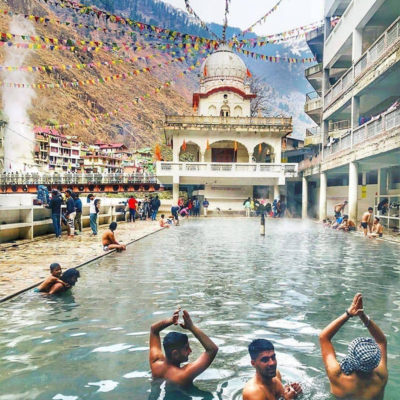
The scenery around the hot spring is stunning. Snowy mountains loom on both sides, and the Yumthang River is flowing somewhere nearby. In winter, steam seeps from the hot water and mingles with cold mountain air. To lie in the hot spring watching this natural phenomenon seems slightly surreal. It’s not just a bath, it’s the full monty on a mountain.
3-Natural Wooden Bathing Structure:
Unlike contemporary spas, the hot spring here has a rustic wooden bathing structure constructed at the river’s edge. This makes the experience more natural and genuine. I love how simple and natural it is.
My Personal Experience:
I felt a sudden surge of warmth run through my body when I sat down in a Yumthang hot spring for the first time. The Sikkim air was icy; my hands and feet were numb, but after a few minutes in that warm water filled with mineral-heavy waters, it was all I could do not to fall asleep. The steam was rising all around me, and it made for this otherworldly ambiance against the background of snowy hills.
I recall sitting still, with my hands playing in the water and just looking up at the mountains. That flicker was restful and curative. The thrill of the adventure, great views up at altitude, and soaking comfort merged to firmly place it in my memory.
How to Reach:
The closest town to the Yumthang thermal spring is Lachung, situated at a distance of around 9 km. It is accessible by road from Gangtok, the capital of Sikkim. The ride from Gangtok is several hours, but there are beautiful mountain views.
From Lachung took a local taxi to the hot spring area. Because winter conditions can make the roads bad in this area, it’s best to travel with seasoned local drivers.
What to Explore Nearby:
- Zero Point is a must-visit spot with snow stretching as far as the eye can see.
- Trek through the Yumthang Valley and appreciate the tranquillity.
- Sample traditional Sikkimese fare in Lachung, including thukpa and momos.
Yumthang is just the right blend of adventure and relaxation for me. The journey is fun, and the reward at the end, a natural hot spring nestled among snow-capped mountains, is totally worth it. Yumthang. If you want to experience a hot spring with scenic view & silence with real relaxation at the lap of nature, then Yumthang in North Sikkim will be a perfect option.
3. Panamik Hot Springs, Ladakh
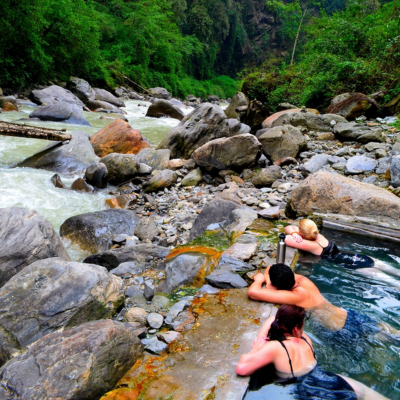
Panamik sits in the beautiful Nubra Valley of Ladakh, amidst desert mountains and wide open skies in a dramatic landscape that seems to belong to another planet. One of India’s highest altitude thermal water sites, and being here brought me a unique combination of adventure, as well as deep relaxation.
The journey itself is unforgettable. I navigated through a rocky valley with sharp switchbacks and endless mountain roads, and then made my way across some otherworldly landscapes, from cliff sides to cold desert valleys. As I pulled into Panamik, my body felt tired from the long drive. “Then it was really time to relax.”
Why It’s Unique?
1-Sulphur-Rich Healing Waters:
Panamik’s mineral-rich water is particularly sulphur-rich and is said to be therapeutic for joint pain, body aches, as well as some skin problems. High-altitude flying at 25 hours Had an ache in my legs and shoulders after so many hours at altitude. Immersing my knotted calves in the warm water salved that tension gradually. The warmth spread , and my body felt fully relaxed.
2-Remote and Peaceful Environment:
Panamik is calm and not as crowded as other tourist destinations. The tranquility of Nubra Valley only adds to the experience. I looked around, and I saw mountains forever beneath a deep blue sky. It was absolute silence in the valley, and in addition, for mental relaxation, they created perfect conditions. Neither loud noises nor a rush, just calm here.
3-From A Ladakh Road Trip Experiences:
What really makes Panamik special is its relationship to this overall Ladakh journey. Whether hiking over high mountain passes or scrambling through rugged terrain, nothing is as satisfying as stumbling upon a place where I could just sit down and let go. It was a mix of the excitement of travel and much-needed rest.
My Experience:
From Leh, they say Nubra Valley is over 150 km driving across the famous Khardung La pass. The cold, desert air was brittle. The water was almost hot, and it felt good against the cold but still air. Slowly, my travel fatigue disappeared.
I remember sitting in silence, gazing at the dramatic mountains surrounding me. The high altitude air, serene views, and natural heat imparted a new level of relaxation. It wasn’t just about reducing body aches, she said, it was about feeling peace and renewal from the inside out.
How to Reach:
Panamik is 150 km from Leh by car, road passes through Khardung La. The drive is exhilarating, taking in views of snowcapped peaks and rocky terrain. The process can take several hours, so it’s best to begin early in the day.
What to Do Nearby:
- Discover Diskit Monastery and incredible vistas over the Nubra Valley.
- Camel rides on the double-humped camels in the dunes of Hunder.
- Spend the night under star-studded, clear skies for which Ladakh is known.
- There is a rare sparkle in the combination here, of adventure and relaxation. Amid the stunning scenery in Ladakh, it is a relaxing respite where both body and mind can truly relax.
4. Vashisht Hot Springs, Himachal Pradesh
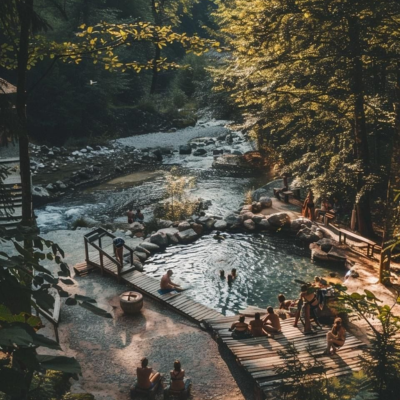
Just 5 km from Manali, Vashisht village is a quaint small town famous for its hot-water springs and traditional stone houses set amidst a stunning Himalayan landscape. It is nestled in pine forests and apple orchards, the peaks snow-covered in winter, a perfectly balanced retreat that does not take you too far from town.
Whenever I am in Manali, I ensure that I visit Vashisht. It’s more tranquil than the busy Mall Road area, but close enough that it’s easy to get there. The calm village vibe already slows me down.
What I Like Here?
1-Separate Bathing Areas:
What I really like about Vashisht is its well-arranged bathing block. There are separate bathing facilities for males and females, so everyone feels at ease. To a traditional i ekkadou (mud and straw) construction colonial style design, is fed with the flowing water from itÍs cuz in the natural spring. I feel so relaxed immediately, sitting in the warm water against the cold mountain air against my face.
2-Easy Access from Manali:
Vashisht is actually quite accessible, unlike some remote mountain towns. I don’t have to take anyone on long road trips or get special permits. That makes it an ideal destination for travelers seeking relaxation without having to put in much work. And if you feel tired after sightseeing all day in Manali, you can always set off to Vashisht, where hot water will welcome your aching body.
3-Beautiful Alpine Scenery:
Vashisht is surrounded by some breathtaking views. A line of tall pine trees, snowy peaks in the distance, and some tiny village houses make it look like a postcard. In the winter, it feels particularly soothing to switch between the cold air and warm water.
My Experience:
My legs are usually quite fatigued at the end of a day spent wandering Manali’s crowded thoroughfares or nearby adventure zones. Vashisht Hotsprings becomes another pleasant experience with the hot spring water, as the spring flows out of your feet. Seconds in, and I can feel my muscles releasing their tension. Peaceful setting with views of the mountains and an excellent place to relax.
Sometimes I’d go there and sit by myself, still, the water up to my chin, and watch steam rise into the cool of the air. It is simple and satisfying.
How to Reach:
Vashisht can be easily accessed from Manali by an auto rickshaw in a few minutes. If you are a walking person, then do a short uphill walk from Manali to the village. The route itself also provides some beautiful views of the Beas River and the surrounding hills.
Things to Do Nearby:
- Explore the historic Vashisht Temple, home to wooden design and a religious ambiance.
- Discover the quaint cafés of Old Manali just around the corner.
- Gaze at the sunset over the mountain peaks when skies are cast in orange and pink.
If you want some peace without getting too far off the tourist trail, Vashisht is an excellent option. It encompasses ease of access, pristine natural beauty, and warm soothing waters in a serene environment among the Himalayas.
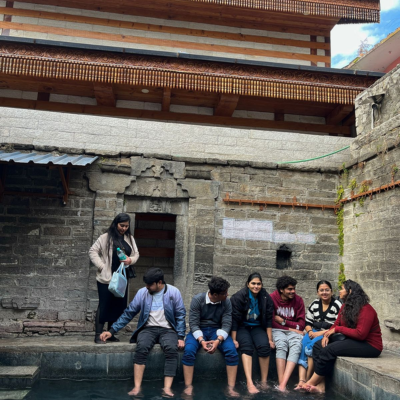
5. Tattapani Hot Springs, Himachal Pradesh
Located just 5 km away from Manali, Vashisht village is a peaceful hilly hamlet in the Himalayas known for its natural hot springs and splendid mountains. Nestled in a landscape of towering pine forests, apple orchards, and snowcapped peaks in winter,a village is an ideal getaway for those who prefer relaxation without straying too far from a popular tourist town.
What Makes It Special?
1-Naturally Occurring Hot Springs with Healing Warmth:
The natural hot springs in Vashisht have hot water laced with minerals. Some think the water does wonders for body aches, while others say it helps keep their skin in good condition. Soaking in the Hot Springs After long walks, sight-seeing or engaging in adventure activities in Manali, dipping your body into the hot springs instantly relaxes you. I actually feel my muscle tension falling off after a few minutes, as if the warmth is melting it.
2-Separate Bathing Areas for Comfort:
Only one thing, I really like the fact that it is an adjustment facility for men and women showering. Takigawa Onsen hot spring Pools built in a simple traditional way so that the water from the hot springs flows naturally through them. The setup ensures a supportive and accessible experience for all attendees.
3-Stunning Alpine Scenery:
The setting at Vashisht is racy. The village is surrounded by pinetrees and the mountains around it are tipped in snow during winter. I love the contrast of being in warm water and feeling cold air on my face.
My Personal Experience:
I am tired of it, really. My body is often tired after a day spent exploring Solang Valley or walking along the banks of the Beas River in Manali or wandering in its markets. That’s where I head then, Vashisht. My entire body is enveloped in heat as soon as I set foot into the hot springs. The cold from the outside is suddenly gone, and I feel a profound sense of relaxation filling my body.
I will sit in silence, watching as the steam begins to rise, perhaps hearing some far-away temple bells or village sounds. It’s not just physical transculturation, it’s peace of mind. To this day, the sheer act of soaking in warm water smack dab in the middle of a mountain feels very grounding.
How to Reach:
Vashisht is a quick drive outside of Manali. I typically hop in an auto-rickshaw, and it’s a drive of not more than five minutes. When I feel like walking, I take the uphill route from Manali. There are beautiful views of the valley and the Beas River below on this walk.
Things to Do Nearby:
- Explore the old Vashisht Temple, famous for its exquisite wood carvings and spiritual vibes.
- Scour Old Manali’s cafes: many are cozy enough to just curl up with coffee and the mountains.
Sit in it with the sunset reflecting off the hills in the distance, as serving, with soft golden light illuminating the sky.
If it is relaxation, laden with serene natural surroundings, you are looking for, the Vashisht hot water springs are the right option.
Final Thoughts
For me, hot springs are not only tourist attractions, but they also provide deep relaxation. There’s a special kind of magic about it in wintertime. The water is warm against cold air, and this balance feels correct. Everything, thanks to the mountains, rivers, and silence, seems closer to a halt.
If the climes and opulence of a snowy landscape are what you’re craving for, then plan a trip to these hot springs in India to give your body its much-needed thaw. Whether it is the spiritual magic of Manikaran, the isolation of Yumthang, or the thrill of Ladakh, every destination has its own kind of relaxation.
The finest travel experiences are frequently not those in luxe hotels or scurrying past tourist sights. Sometimes all you need is warm water, fresh mountain air, and a silent moment to breathe.
Visit for more: https://travellergossip.com/
FAQs: About Hot Springs Relaxation
1-Are hot springs safe to visit in winter?
Yes, winter is one of the best times. Just check local weather conditions before traveling.
2-Do hot springs really help with relaxation?
Yes, warm mineral water helps relax muscles and reduce stress.
3-What should I carry when visiting hot springs?
Carry towels, warm clothes, slippers, and drinking water.
4-Which hot springs are best for scenic views?
Yumthang in Sikkim and Panamik in Ladakh offer some of the most dramatic mountain scenery.