
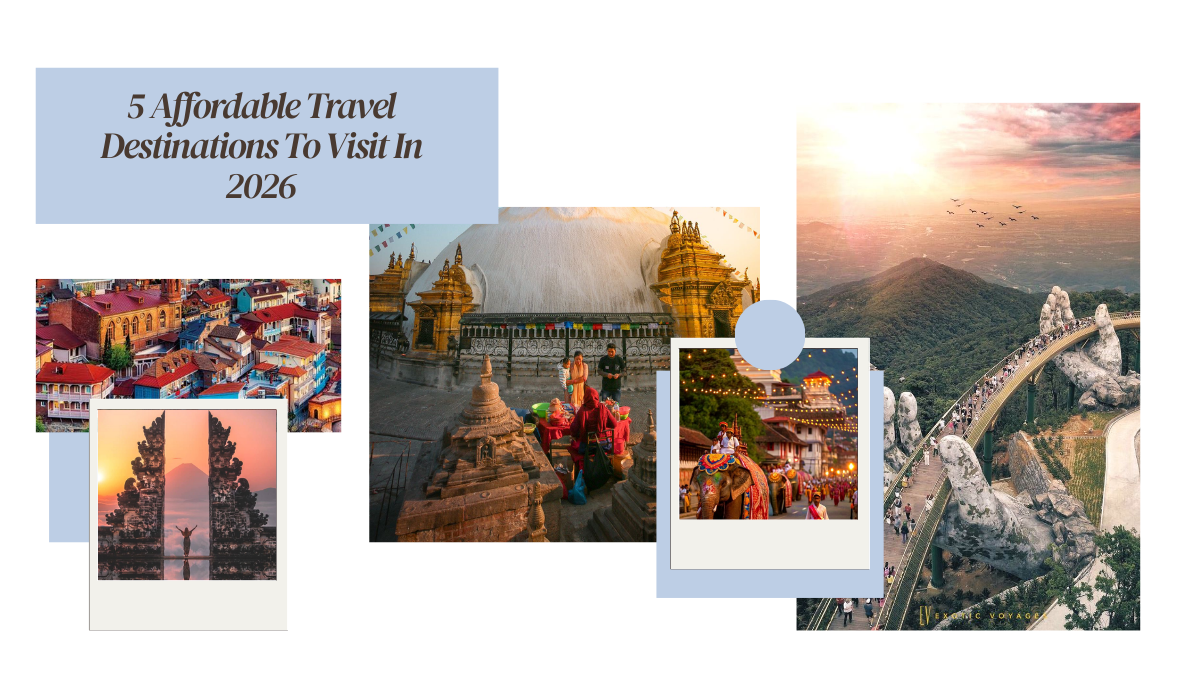
Introduction
Affordable travel destinations are the heart of my travel blogging, so planning 5 budget-friendly days in paradise felt like the perfect challenge. The more I’ve traveled, the more I’ve learned that a trip rarely becomes expensive due to just one single decision. Effortlessly and often, one tiny step at a time. A flight scheduled without flexibility, a hotel chosen at the 11th hour, or dates arranged for convenience rather than savings can add up in small ways. By the time everything is booked, the budget has become weighty.
Table of Contents
ToggleBut in 2026, I’ve seen a change. Travelers, myself included, spend more thoughtfully from the get-go. Travel out of the country is very much still on the table, but formatted differently. And there’s more sentiment against wasteful spending, and for places to go where you do not need to keep your wallet out during exploration. That’s why the subject of the cheapest countries to travel in 2026 is always being discussed, from bored dinner conversations to foreign traveler forums.
For Indian travellers, affordability is more than just a matter of saving money. It changes the duration of the trip, how stressful planning feels, and how much freedom is available once you hit the road. When your daily costs stay low, travel doesn’t feel like a countdown; it feels open-ended. For the rest of us planning those trips in early 2026, it’s helpful to check out destinations where seasonal pricing makes them even more affordable (particularly if you’re traveling in January or February).
What Makes a Country Affordable to Travel?
When it comes up with plans for affordable travel destinations, most people think only of cost. But in fact, what’s affordable depends on many factors. It may seem cheap in theory, but it’s easy to rack up a high tab if day-to-day life for tourists is expensive.
Local Currency Advantage And Low Daily Costs:
Money is part of it, but not everything. Yes, a good exchange rate is helpful, but the real advantage comes back to how locals live. Nations where public transportation is a primary way to travel, eating out is common, and domestic travel is frequent often have lower daily costs.
In these countries:
- Food is not just for tourists. You don’t have to pay a fortune when you eat out.
- Public transit is priced for locals, not tourists.
- Accommodation is available at each level, not just luxury hotels.
Most of the cheapest places to travel in 2026 have this one thing in common. They don’t bill themselves as budget destinations. They do, however, work in a manner that keeps expenses on the ground.
Affordable Countries Indians Can Visit in 2026
Indian travellers are still mindful of the distance. Shorter flights result in lower upfront costs and more options for travel dates. “Strategies like finding cheaper airfares can save most travelers thousands. That’s also why Asia and certain countries in Eastern Europe remain high priorities when Indians seek value.
Here are the places I think you should go:
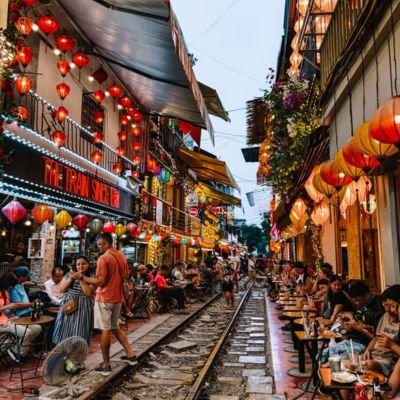
1. Vietnam
Vietnam is a country that I love to travel in on a budget, and you can clearly see why. This country offers great experiences without breaking the budget, whether you like the bustle of cities or prefer to chill out in the countryside. It’s one of the nicest things about Vietnam: you’re rarely blindsided by costs. Dialed down: Even if you’re booking accommodation, eating out, and travelling between cities, daily expenses are predictable and plannable.
You can find accommodation at every price point in Vietnam. You can sleep at basic guesthouses, budget hostels, or mid-range hotels without the need for comfort. There are still lots of them for those who prefer something a bit more luxurious, with boutique hotels and riverside resorts priced well below what you’ll pay in other Asian destinations.
Food is another highlight. You can get rather tasty food for very affordable prices on the street. Here you can eat all the pho, banh mi, and fresh spring rolls your heart desires for just a few dollars. Tiny-priced, extra-strong Vietnamese coffee is served at local cafés, so it’s a breeze to fuel your days without overspending. Even tourist-run restaurants manage to be affordable, so you never have to worry about missing a meal because of the price.
Why is it Special?
- Friendly Locals: The Vietnamese are friendly, kind, and willing to assist tourists at all times. In busy cities, interactions feel personal.
- Cultural Bounty: Step the lantern-strung streets of Hoi An, sleep on a boat in Hue’s backstreets, experience awakening markets in Hanoi. Every day is different with local festivals, traditional performances, and lively street life.
- Natural Beauty: From the awe-inspiring limestone karsts of Halong Bay to the terraced rice fields of Sapa, it’s all incredible. The Mekong Delta, meanwhile, is known for its scenic boat trips and floating markets, and you’ll find sun-splashed relaxation on beaches like those in Nha Trang and Phu Quoc.
- Food Experience: Real Vietnamese food on every corner, fresh, flavorful, and ridiculously cheap. Explore limitless culinary possibilities in the food markets, street stalls, kiosks, and small eateries.
- A Predictable Budget: Speaking of not worrying all the time, one of my absolute favorite things about Vietnam is how ridiculously budget-friendly it feels (and yet we don’t run out). Prices are rooted in regular life, so even a month-long visit seems affordable to the budget-conscious.
Cost:
- Where to Stay Accommodation: Everything from budget hostels and guesthouses to midrange hotels and Riverside resorts alike, at all of which one can comfortably take up with a wallet friendly price tag.
- Food: Street food is dirt cheap, costing a few dollars at most for dishes like pho, banh mi, and fresh spring rolls. Cafés offer strong Vietnamese coffee for a pittance. Even the more touristy of restaurants are a good value.
- Transport: Public buses, trains, and ride-hailing apps ensure that moving between cities and the countryside is cheap. If you book far enough in advance, domestic flights are cheap.
Travel:
- It moves around easily and predictably.
- There are no surprises on long journeys with unexpected costs.
- With flexible travel options, you can find both the city and the country work for you, indeed.
With its ideal combination of reasonable prices, beautiful culture, and memorable experiences, Vietnam is definitely an area where tourists can be let loose without having to track every penny spent.
2. Indonesia
Indonesia’s affordability varies by location. Tourist-heavy areas like Bali can be a bit expensive, but once you explore beyond them, daily costs drop significantly. Transport, food, and accommodation remain reasonable, making it a flexible option for Indian travellers.
Why Is It Special?
Natural Beauty: Indonesia is full of contrasts; white-sand beaches, tropical rainforests, active volcanoes, rice terraces, and coral reefs that ensure a never-ending stream of opportunities to explore and try something new! Islands like Bali, Lombok, and Komodo offer adventure as well as relaxation.
Cultural Experience: With temples like Borobudur and Prambanan, traditional dance, art, and colorful markets, Indonesia is rich in heritage.
Adventures to be had: surfing, diving, snorkeling, as well as trekking and volcano hikes, are all inexpensive in comparison to other places around the world.
Friendly Locals: Indonesians are friendly. There’s something about the local interactions in Indonesia that makes everything seem warmer here.
Food and Flavors: From pungent Padang dishes to saccharine Javanese sweets, the food is full of flavor and readily accessible in both taste and price.
Cons: Daily costs don’t tend to rise unexpectedly, so it’s ideal for people who value a flexible, hassle-free trip.
Cost:
- Lodging: Accommodations vary widely depending on which island and city you are staying in, Indonesia. Tourist spots such as Bali have mid-range hotels and resorts for $20-$50 per night, while budget hostels and guesthouses are available for $5-15.
- Eats: The local chow is cheap and tasty. A street snack, such as nasi goreng (fried rice), mie goreng (fried noodles), or satay skewers, is about $1 to $3. Little cafes are selling coffee, fresh juices, or snacks for under $1.
- Transport: Transport is both cheap and flexible. Minibuses in cities and public transport are inexpensive, as is hiring a scooter for $5–$10 daily to explore villages, beaches, and the hinterland.
Travel:
- Getting Around: The islands of Indonesia are large, so making your way around entails a mix of bus, ferry, train, and flight travel. In the cities or towns, getting around on scooters, ride-hailing apps, and local buses is straightforward and inexpensive.
- Longer Trips: Weeks-worth multi-island hopping trips can be done on a shoestring since the cost of food, beds, and local transport stays relatively low.
- Flexibility: The cheap services let you decide when and where to go. You could throw in a day in Ubud to soak up some culture, hop over to the Gili Islands for beaches, or venture into volcanic landscapes such as Bromo or Mount Rinjani without breaking the bank.
Comprising their dreamlike landscapes, captivating culture, and pocket-friendly daily costs adds up to India’s ability to experience them without spending a lot of money.
3. Sri Lanka
Sri Lanka is tiny yet big-value. The distance between cities is short, saving travel weariness and expenses. Off-peak, food and lodging rates are consistent.
Why Is It Special?
Natural Beauty: The country has gorgeous beaches like Unawatuna and Mirissa, hilly beauty such as Nuwara Eliya, impressive waterfalls, and wild animals in national parks like Yala & Udawalawe.
Amazing Culture: The ancient cities of Anuradhapura and Polonnaruwa, the sacred Temple of the Tooth in Kandy, and wonderful colonial architecture in Galle Fort reflect an astonishing history and heritage.
Art of Train Travelling: Even trains, such as travelling across tea plantation/ mountain or tropical forests provides absolute comfort nets for 100 rupees and world-class services.
Read: Tasty food that doesn’t keep you broke (Local Food). Food is cheap, fresh, and full of flavour, so exploring cuisines seems to be a blessing for both trips.
Friendly Faces: The people of Sri Lanka are friendly and outgoing, so your travel experience will always be pleasant and comfortable.
Cost Consistency: Daily costs of accommodation, food & transportation are predictable, so a traveler can travel at ease without bothering about unexpected fluctuations in price.
Cost:
- Lodging: Indonesia has something to offer for everyone, depending on the island and city. The likes of Bali’s tourist hot spots have mid-range hotels and resorts starting at $20–$50 per night, offering budget hostels and guesthouses from just under $5 to around $15.
- Food: Food is so cheap and delicious. Street food, such as nasi goreng (fried rice), mie goreng (fried noodles), or satay skewers, ranges from $1 to $3. There are small cafes where coffee, fresh juices, or snacks cost less than a dollar.
- Transport: Transport is cheap and flexible. City mini-buses and public transport are dirt cheap, and scooters at $5–$10 per day are a ticket to freedom as you set off to explore villages, beaches, and the hinterland.
Travel:
- Getting around: Sri Lanka’s compactness means that it is possible to visit more than one part of the country in a relatively short amount of time. City distance is very close, so you save on tiredness and daily expenses.
- Extended Trips: Trips of a few days’ duration that will include visits to several cities, beaches, and national parks can be held without spending too much.
- Freedom: Buses, trains, and tuk-tuks come by often, so you can make spontaneous stops or detours, be that to a hidden waterfall in the mountains, exploring a remote village or even down south towards a coastal town.
By Annmarie Rodriguez Small but perfectly formed: with its hot climate, beautiful scenery, cultural treasures, and low daily costs, Sri Lanka is a country where you can have it all.
4. Nepal
It may not advertise itself as such, but Nepal is, in essence, a budget travel destination. Also, for Indian travellers, the most practical and easily accessible international trip is. From cheap day-to-day spending to the close proximity of destinations and a visa-on-arrival for Indians, Nepal is an easy travel destination operating within budgets.
Why Is It Special?
Himalayan Experiences: Nepal provides stunning views of the Himalayas, such as Annapurna and Everest. Trekking in the area is a fraction of what it costs in most mountain destination around the world, so you’re headed for adventure on a budget.
Spiritual and Cultural Depth: The ancient temples, monasteries, and UNESCO heritage sites in the Kathmandu Valley contribute cultural wealth.
Budget-Friendly Adventure: Trekking, paragliding in Pokhara, river rafting, and jungle safaris in Chitwan are all also available at a price that won’t break the bank.
Friendly Guesthouses and Lodges: Your trek becomes more feel good When you can see the warm, young smile of Nepali people.
Set Daily Cost: The cost of lodging, food, and travel remains fairly standard in Nepal, making it a very confident, affordable travel destination for Indian tourists.
Cost:
- Accommodation: Budget guesthouses in cities like Kathmandu and Pokhara from $5–$15 per night. Middle-class hotels cost around $20–$40, with breakfast included. Even in trekking areas, you can still find teahouses that offer clean basic rooms at very low prices. In comparison with so many mountains around the world, Nepal is still an affordable travel destination.
- Food: Local meals are cheap and filling. Traditionally, dal-bhat (rice, lentil soup, vegetable curry, and other sides) will run between inexpensive \(1-3 \)and often includes free refills. Cheap and ubiquitous mou-mou (momos – dumplings), thuk mipa noodles, and street snacks are available around the town. Even the cafés offering foreign food are not overpriced.
- Transport: Public buses and shared jeeps from city to city are cheap. Domestic flights to trekking centers such as Lukla or Pokhara are inexpensive when purchased in advance.
Travel:
The largest favour that goes in the balance is Indian who don’t require a visa to enter Nepal. What this does is to take away unnecessary costs and paperwork, so it is an easy and affordable travel destination.
- Short rides feasible: You can undertake weekend trips to Kathmandu or Pokhara, as the flights from India are of short duration. Even with a 3–4 day getaway, it feels full because travel between must-see sights is not overly lengthy.
- Extended Itineraries: For those who have the luxury to spend many weeks, multiday treks are relatively inexpensive compared with similar experiences in Europe or North America. Trek accommodations and meals are basic, but the cost is inexpensive.
- Flexible Planning: Costs are predictable, so if you want to lengthen your stay or tack on side trips, it will rarely wreak havoc with your budget.
With its Himalayan beauty, cultural richness, and steady low costs, Nepal remains one of the most dependable, affordable travel destinations for Indian travellers seeking adventure without financial stress.
5. Georgia
Georgia is gradually emerging as an affordable travel destination for travelers in Europe. What I love about Georgia personally is that the country and situation give you a European experience without a European price tag. For Indian travellers who want to travel to a destination that is calm and serene and culturally diverse, Georgia is a place worth visiting
Why Is It Special?
European Vibes at a Low Cost: Georgia offers you the cobbled streets, ancient churches, beautiful mountains, and cosy cafes, but at cost-effective travel prices.
Gorgeous country: It’s a beautiful place, the Caucasus Mountains, wine regions like Kakheti, and historic towns such as Mtskheta all contribute to its aesthetic appeal.
Rich History and Culture: From the ancient monasteries to local markets bustling with life, it’s a culture you want to sink your teeth into.
More space: Unlike some of the popular European hotspots, Georgia still feels relaxing and not too commercial. You can explore without being brushed.
Warm Welcome: Georgians have a reputation for being really friendly, and you’ll feel like a welcome guest when visiting the country.
Cost:
- Where to stay: Georgia accommodation is cheap. In cities like Tbilisi, you will find hostels from $8–$15 per night. Typically, guesthouses and small hotels cost between $20-40. Even decent budget and boutique hotels are still not as expensive as compared to similar properties in Western Europe.
- Food: Georgian cuisine is hearty and cheap. Typical local cuisine , including khachapuri (cheese bread) and khinkali (dumplings), will set you back $2–$5. Local restaurants offer hearty portions at reasonable prices. Even street bakeries and cafes are not expensive, so you see that it is easy to handle daily food costs.
- Transport: Public transport is straightforward and affordable. Buses and the subway in Tbilisi are incredibly cheap. Intercity trains and minibuses (known as marshrutkas) link larger settlements at low cost. Taxis are also quite cheap by most European standards.
Travel:
- Convenient for Indian Travellers: Georgia has provisions of visa on arrival or visa-free entry to most of the Indian travellers (conditions apply), thereby making it a reachable international travel destination.
- Small but Varied: You can drive a short distance and find mountains, vineyards, historical towns, or city life. Transport between sites does not wear you out.
- Flexible Schedules: As prices are relatively stable, you can add days or short day trips without fear of breaking the bank (+1,+2).
Georgia shows that there is no need to break the bank in a budget-friendly travel destination; you’ll still experience awe-inspiring landscapes, rich cultures, and memories to last a lifetime.
Final Thoughts
The travel of 2026 is about balance. The best trips are not the most expensive, but rather those where money, time, and energy flow all in one direction. By traveling afforadble travel destinations, we can take longer trips, have better experiences, and feel freer.
If you are planning a trip this year, plan ahead. Look at flightcosts, look up local places to stay, and check the daily cost beforehand. If you are mindful of this from the start, your travel will be relaxed yet stimulating and very memorable.
Visit for more: https://travellergossip.com/
FAQ
1-What defines the affordable countries to travel to in 2026?
These are countries where daily costs remain low due to local pricing and favourable currency exchange.
2-Are budget travel destinations in 2026 suitable for longer trips?
Yes. Stable daily expenses make longer stays easier to manage without breaking the budget.
3-Does cheap travel reduce comfort?
Not necessarily. Comfort depends on expectations. Many affordable destinations provide quality stays, good food, and convenient transport without overspending.