
As the sun rises over Lake Nokoué, life begins on the water in Ganvié, Benin’s famous floating village. Canoes glide past, fishermen throw their nets, and women in raffia hats carry the day’s fresh catch. Founded in 1717 by people escaping slave traders, Ganvié—meaning “we are saved”—is now home to around 45,000 people living entirely on water.
Traveling through Ganvié by boat feels calm and unforgettable. Small markets sell handmade crafts, lakeside cafés serve simple local food, and time seems to slow down. It’s one of those places that makes you wonder why more travelers don’t talk about Benin.
For many, West Africa brings to mind Senegal or Ghana—but Benin is a hidden gem. Its history is deep and emotional. Benin played a major role in the transatlantic slave trade and later became a French colony before gaining independence in 1960. Today, the country is opening its doors with pride, culture, and hope for the future.
In Cotonou, Benin’s largest city, old meets new. Stylish hotels, busy markets, and seaside views show a country moving forward. The recently opened Sofitel Cotonou Marina Hotel & Spa is a sign that Benin is ready for global travelers—without losing its soul.
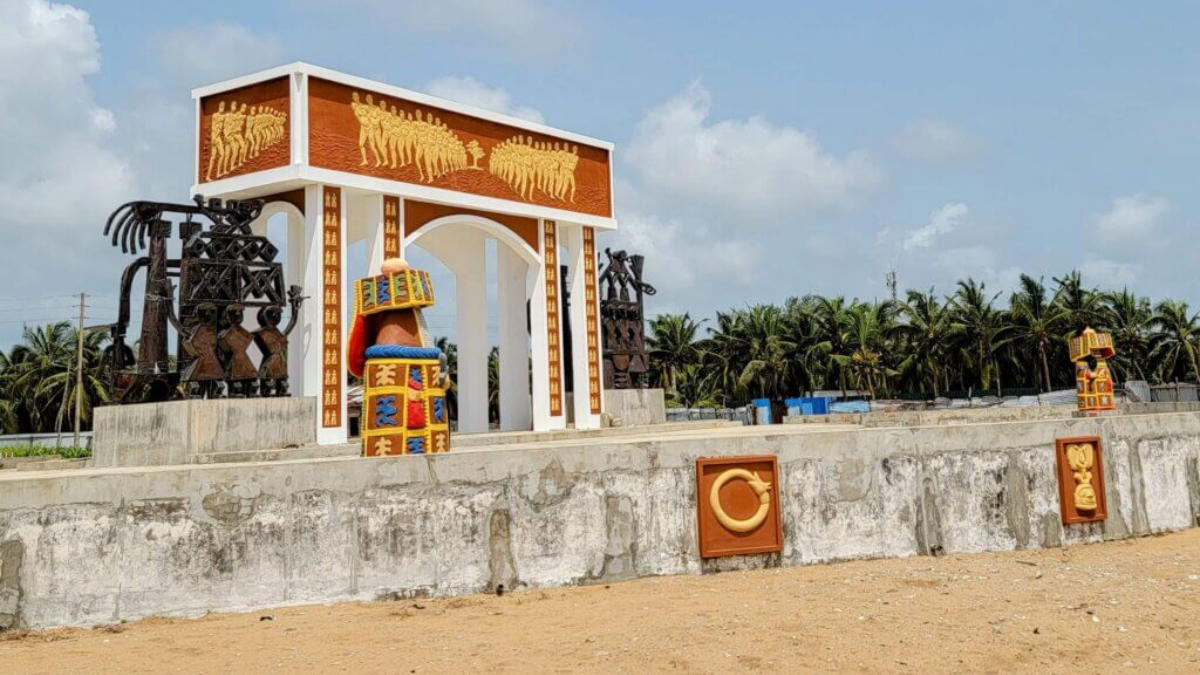
A visit to Ouidah is powerful and moving. Walking to the Door of No Return, where enslaved Africans were once sent away, helps visitors understand Benin’s past. Nearby, women still collect salt by hand on Salt Island, keeping traditions alive just as they have for generations.
Benin is also the birthplace of voodoo, a spiritual tradition often misunderstood. Here, voodoo is about respect for ancestors, nature, and balance.
Benin doesn’t shout for attention—but that’s what makes it special. For travelers looking for real stories, deep culture, and unforgettable experiences, Benin is a destination worth discovering in 2026.